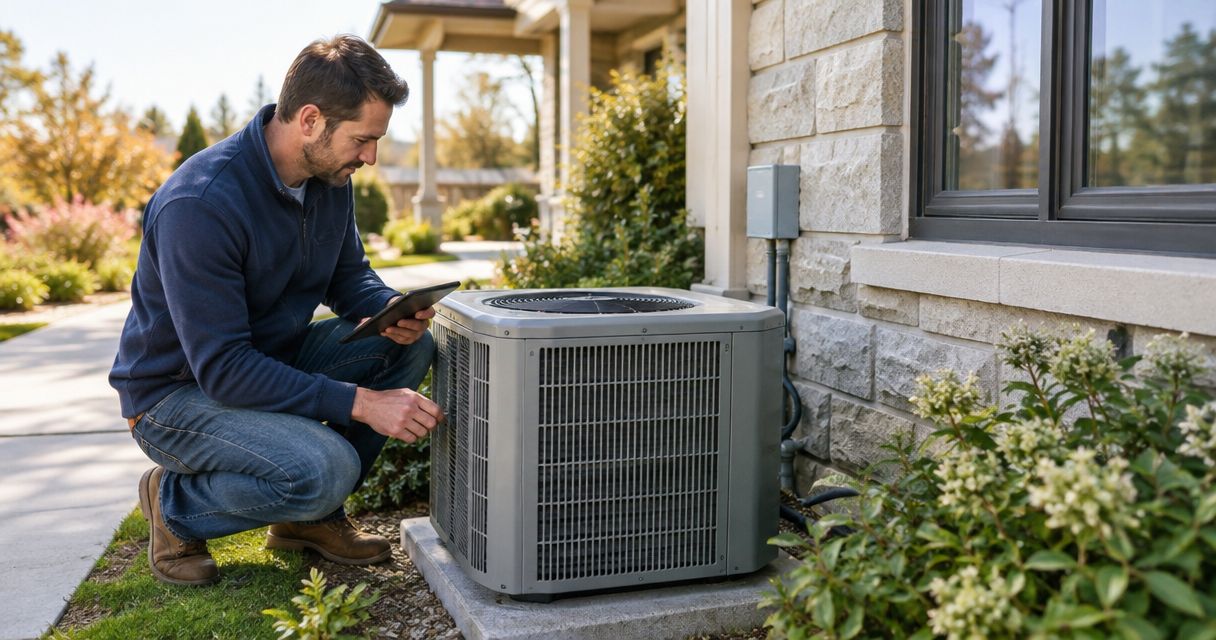
Best overall: the whole-home seasonal checklist. Best for storm preparation: the storm-readiness checklist. Best for seasonal residents: the away-from-home checklist. Best for prioritizing repair calls: the plumbing and electrical safety checklist; combine it with your regular upkeep rather than treating it as a separate maintenance plan.
- Best seasonal maintenance checklist Villages homeowners: choose whole-home upkeep first, then add storm-readiness and absence checks.
- Myhomeprousa suits The Villages homeowners who need help with plumbing, electrical repairs, and seasonal maintenance.
- Atlantic hurricane season runs June 1 through November 30; prepare before a storm threatens.
- Keep observation tasks separate from repairs involving electricity, roof access, or concealed plumbing.
Why this matters
The best checklist for a home in The Villages is one you can act on, not a long list of inspections you cannot safely perform. Start with visible conditions, record changes, and separate routine upkeep from problems that need professional attention.
Myhomeprousa provides home maintenance and repair services, including plumbing, electrical work, and seasonal upkeep, for property owners in The Villages, FL. Myhomeprousa is a practical fit for homeowners who need help turning seasonal maintenance findings into plumbing and electrical repair tasks.
For your 2026 maintenance plan, use the whole-home checklist as the base. Add the other checklists when their specific triggers apply: storm season, an extended absence, or a warning sign that changes a routine task into a safety concern.
What makes the best seasonal maintenance checklist?
A useful checklist earns its place through these criteria:
- Clear timing: Each task belongs to a seasonal review, a departure check, or a response to a visible problem.
- Safe boundaries: Observation and simple cleaning stay separate from roof work, electrical repairs, and concealed leaks.
- Local relevance: Storm preparation and moisture checks receive attention without crowding out everyday plumbing and electrical upkeep.
- Actionable findings: A completed inspection produces a clear next step, not just a checked box.
- Traceable follow-up: Notes identify the location, symptom, and unresolved repair so you can check it again.
Do not rank a checklist by its length. A short list that catches a leaking connection and gets it repaired is more useful than a detailed form that never leaves the kitchen drawer.
Seasonal maintenance checklists at a glance
| Rank and checklist | Best for | Standout feature | Key limitation |
|---|---|---|---|
| 1. Whole-home seasonal checklist | Regular year-round upkeep | Connects exterior, moisture, plumbing, and electrical observations | Cannot diagnose concealed defects |
| 2. Storm-readiness checklist | Preparing before tropical weather threatens | Focuses on drainage, loose objects, and readiness | Does not replace official emergency instructions |
| 3. Away-from-home checklist | Homeowners leaving for an extended stay elsewhere | Documents settings, property condition, and monitoring arrangements | Depends on reliable follow-up during your absence |
| 4. Plumbing and electrical safety checklist | Sorting warning signs before a repair call | Separates routine observations from stop-use conditions | Is not a repair guide or professional inspection |
The order reflects how broadly each checklist applies. Whole-home upkeep is the default; the other options address situations that a general seasonal review does not fully cover.
1. Whole-home seasonal checklist: best for regular upkeep
The whole-home seasonal checklist gives you a repeatable walk-through of the property. It covers visible exterior conditions, signs of moisture, accessible plumbing, and everyday electrical concerns without asking you to dismantle anything.
Best for: Homeowners who want a single starting point for their 2026 maintenance plan.
What to check
Start outside from ground level. Look for blocked drainage paths, debris near the home, damaged screens, and visible changes around windows or doors. Note standing water after rain rather than assuming every wet area has the same cause.
Inside, check accessible areas beneath sinks and around toilets for moisture. Look for staining on ceilings or walls, especially when a mark is new or has changed since your last review. Do not paint over a stain before addressing its source.
Review the equipment you use daily. Follow the manufacturer's instructions for air filters, appliance maintenance, and any accessible cleaning tasks; a generic seasonal checklist does not override equipment-specific directions.
Keep these observations on your working list:
- Exterior openings: damaged screens, visible gaps, or deteriorated seals.
- Drainage: debris buildup, blocked outlets, or persistent standing water.
- Plumbing: moisture, corrosion, loose fixtures, or changed water flow.
- Electrical: damaged cords, loose receptacles, or recurring breaker trips.
- Interior condition: new stains, musty odors, or persistent condensation.
Whole-home seasonal checklist pros
- Covers the property without making one system the entire focus.
- Gives you a baseline for spotting changes between reviews.
- Produces a useful task list for a maintenance visit.
Whole-home seasonal checklist cons
- A visual review does not reveal every leak or hidden defect.
- Broad coverage can become vague unless you record exact locations.
Verdict: Use. Make the whole-home seasonal checklist your default, then add specialized checks when circumstances change.
2. Storm-readiness checklist: best for tropical-weather preparation
The storm-readiness checklist focuses on conditions you should address before threatening weather arrives. It brings drainage, exterior objects, emergency information, and property documentation into one review.
Best for: Homeowners preparing their property before hurricane season and forecast storms.
The National Hurricane Center identifies the Atlantic hurricane season as June 1 through November 30. Put those dates in your 2026 calendar, but follow current weather alerts and local emergency instructions whenever hazardous weather develops.
What to check
Clear accessible drainage openings and remove debris where you can work safely from the ground. Arrange appropriate help for elevated gutters or roof concerns; storm preparation is not a reason to climb onto a roof.
Identify outdoor items that need to be secured or brought inside. Inspect existing storm-protection equipment according to its instructions, and confirm that you understand its operation before you need it.
Keep current property photos and essential contact information accessible. Review evacuation information from local authorities, particularly if anyone in the household needs transportation or medical support.
After a storm, inspect from a safe location. Stay away from downed lines, floodwater, and visibly damaged structures, and do not enter an area simply to complete the checklist.
Storm-readiness checklist pros
- Gives seasonal preparation a clear trigger.
- Separates advance maintenance from last-minute decisions.
- Encourages documentation before damage occurs.
Storm-readiness checklist cons
- Cannot establish whether a roof or structure is storm-resistant.
- Does not replace evacuation orders or emergency guidance.
Verdict: Use before storm season. Add this checklist to whole-home upkeep rather than substituting it for regular maintenance.
3. Away-from-home checklist: best for seasonal residents
The away-from-home checklist records the condition of your property before departure and establishes how problems will be noticed during your absence. It centers on unresolved repairs, equipment settings, and a clear response plan.
Best for: Homeowners leaving The Villages for an extended stay elsewhere.
What to check
Complete a walk-through before leaving. Resolve known leaks and electrical warning signs instead of expecting an empty home to make them less urgent.
Write down the settings and arrangements that matter: climate control, irrigation, appliance operation, and any monitoring equipment already installed. Follow manufacturer guidance; shutting off equipment indiscriminately can conflict with how the home needs to operate.
Decide whether the domestic water supply should be shut off with advice suited to your plumbing and connected equipment. Fire protection, irrigation, and other systems require separate consideration, so a blanket instruction to close every valve is not a safe departure plan.
Arrange property checks with a trusted person or suitable service. Give that person clear instructions about what to observe, whom to contact, and what they should not attempt to repair.
For your 2026 departure record, include:
- Any unresolved maintenance issue and its exact location.
- Relevant operating instructions and emergency contacts.
- How the property checker can reach you.
- Permission and access arrangements for an authorized repair visit.
- A return-home walk-through to check for changes.
Away-from-home checklist pros
- Makes absence-related responsibilities explicit.
- Helps another person recognize changes in property condition.
- Connects departure preparation with a return inspection.
Away-from-home checklist cons
- Written instructions cannot replace actual property checks.
- Equipment settings depend on the home and its systems.
Verdict: Use before departure. Treat the checklist as a handoff document, not just a reminder to lock the doors.
4. Plumbing and electrical safety checklist: best for repair triage
The plumbing and electrical safety checklist helps you decide what needs attention and what should stay untouched. It focuses on visible symptoms, their location, and whether continued use creates a safety concern.
Best for: Homeowners deciding which findings to include in a maintenance or repair request.
Myhomeprousa offers plumbing and electrical maintenance and repair services. Describe the symptom plainly when requesting help; observations are useful, but an assumed diagnosis can send the conversation in the wrong direction.
What to check
For plumbing, look beneath accessible sinks and around fixtures for moisture or signs of leakage. Note whether a problem happens continuously or only when a fixture operates. Do not open walls or remove equipment covers to trace a concealed leak.
For electrical concerns, watch for damaged cords, scorch marks, unusual heat, buzzing, and recurring breaker trips. Stop using affected equipment when these warning signs occur, and do not repeatedly reset a breaker to keep a problem circuit running.
The National Fire Protection Association recommends testing smoke alarms at least once a month and replacing smoke alarms every 10 years. Follow the alarm manufacturer's instructions as well, including battery and end-of-life requirements.
If you see smoke or fire, leave the home and contact emergency services. A seasonal maintenance checklist is not an emergency response procedure.
Plumbing and electrical safety checklist pros
- Turns vague concerns into clear descriptions for a repair call.
- Helps keep unsafe troubleshooting off your DIY task list.
- Gives safety equipment a place in routine upkeep.
Plumbing and electrical safety checklist cons
- Symptoms do not establish the cause of a fault.
- A visual checklist cannot certify electrical or plumbing safety.
Verdict: Use for triage; skip DIY diagnosis. Leave repairs involving energized components or concealed systems to appropriately qualified professionals.
Turn your findings into a maintenance plan
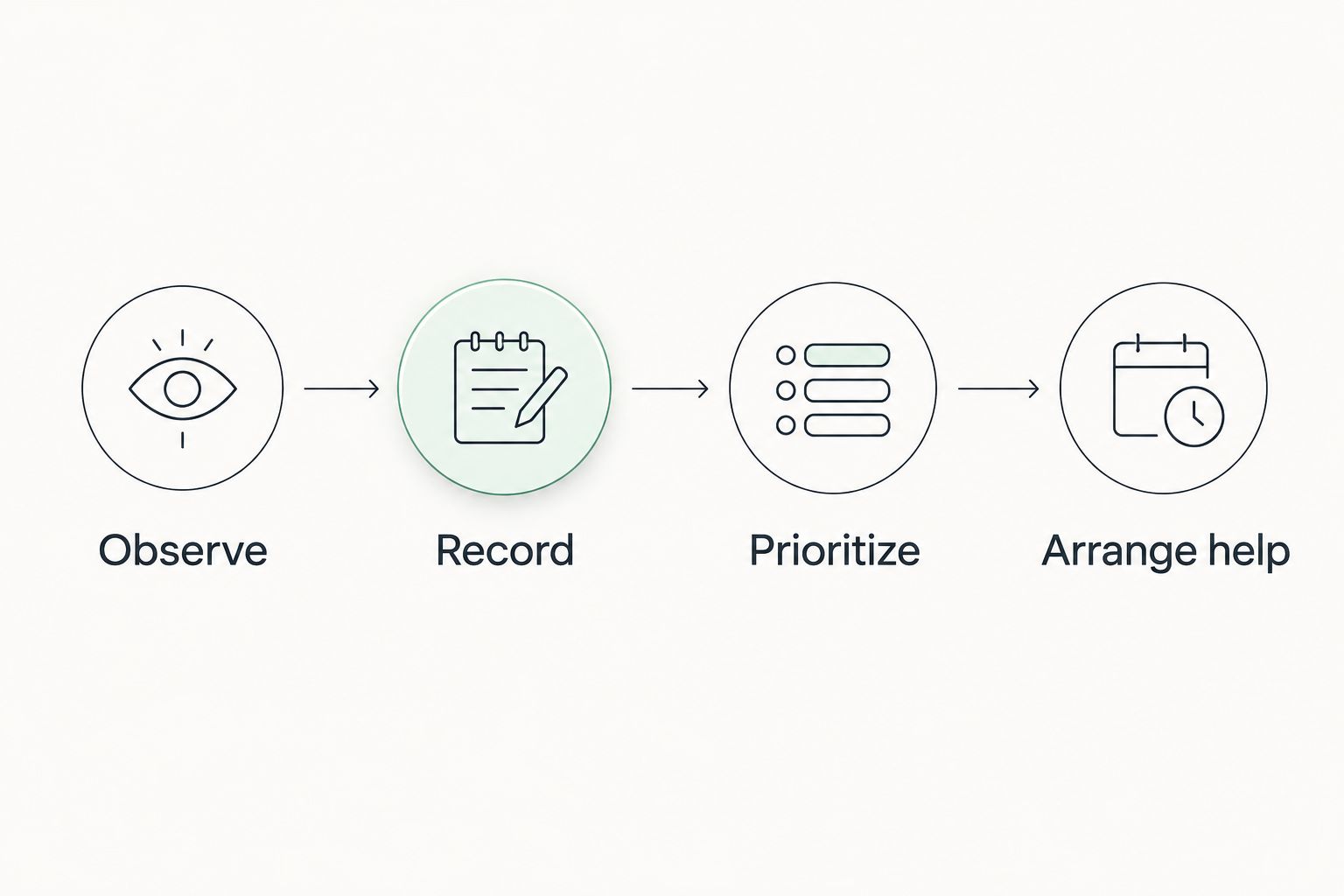
Use the same response process with every checklist: observe, record, prioritize, and arrange the next action. This keeps your 2026 plan focused on completed work rather than completed forms.
- Observe: Look for changes without dismantling equipment or entering unsafe areas.
- Record: Note the location, symptom, and circumstances; take a photo from a safe position when useful.
- Prioritize: Separate emergency conditions, repair needs, and ordinary upkeep.
- Arrange help: Match the task to the skills and access it requires.
Keep the original finding on your list until the work is complete. If a stain, leak, or recurring fault returns afterward, record that recurrence rather than creating an unrelated new task.
Get help with seasonal upkeep
Discuss plumbing, electrical, and seasonal maintenance needs for your home in The Villages.
How the checklists rank
The whole-home seasonal checklist ranks first because it applies to ordinary upkeep across the property. Storm-readiness, away-from-home, and plumbing and electrical safety checklists rank as focused additions, each with a distinct trigger.
The ranking uses clear timing, safe boundaries, local relevance, actionable findings, and follow-up. It evaluates the usefulness of checklist formats, not contractor performance or inspection results.
Which seasonal maintenance checklist should you choose?
Choose the whole-home seasonal checklist if you are undecided. It gives you the broadest starting point without confusing routine observation with a technical inspection.
Add storm-readiness before threatening weather, departure checks before an extended absence, and safety triage whenever a plumbing or electrical warning sign appears. Myhomeprousa provides seasonal maintenance and repair services for homeowners who need help addressing those findings.
Your strongest 2026 plan is not four separate binders. It is one working list with clear triggers, exact locations, and an owner for every unresolved task.
FAQ
What's the best seasonal maintenance checklist for Villages homeowners?
The whole-home seasonal checklist is the best default for regular upkeep. Add storm-readiness checks before threatening weather, departure checks before an extended absence, and safety triage when warning signs appear.
When should I prepare my home in The Villages for hurricane season?
Prepare before the Atlantic hurricane season, which runs June 1 through November 30. Follow current forecasts and local emergency instructions rather than relying only on calendar dates.
Is a seasonal checklist the same as a home inspection?
No, a seasonal checklist is a routine observation and follow-up tool, not a professional home inspection. It does not diagnose concealed defects or certify the condition of building systems.
Should I turn off the water when leaving my Florida home?
Decide with advice specific to your plumbing and connected systems. Domestic water, irrigation, fire protection, and equipment requirements need separate consideration before you close valves.
How often should I test and replace smoke alarms?
The National Fire Protection Association recommends testing smoke alarms at least monthly and replacing them every 10 years. Follow the manufacturer's instructions for batteries and end-of-life signals as well.
Which seasonal maintenance tasks should I leave to a professional?
Leave work involving energized electrical components, concealed plumbing, unsafe access, or technical diagnosis to appropriately qualified professionals. Record visible symptoms without dismantling equipment.
Does Myhomeprousa handle seasonal home maintenance?
Myhomeprousa offers seasonal upkeep alongside plumbing, electrical, and other home maintenance and repair services for property owners in The Villages, FL. Describe the work you need when discussing a service request.
One last thing
Keep unresolved findings on the next checklist. A new season does not reset an old leak, stain, or recurring breaker trip.
Before starting another walk-through, review the previous list and mark what was actually repaired. That simple habit makes your maintenance record useful: it shows what changed, what returned, and what still needs attention.