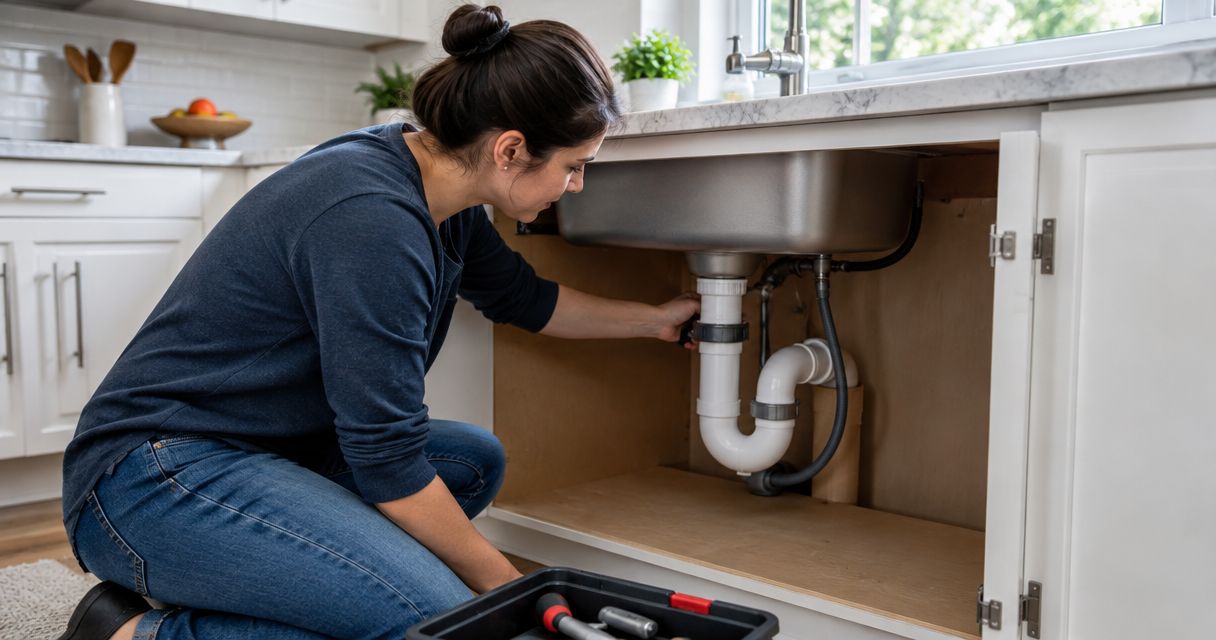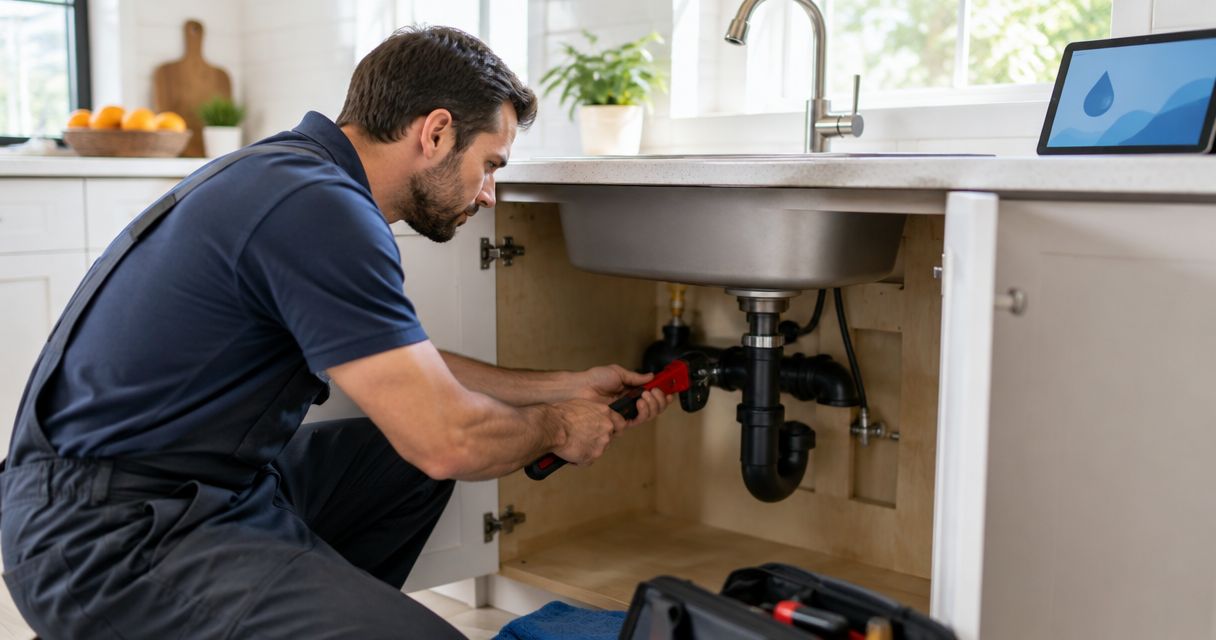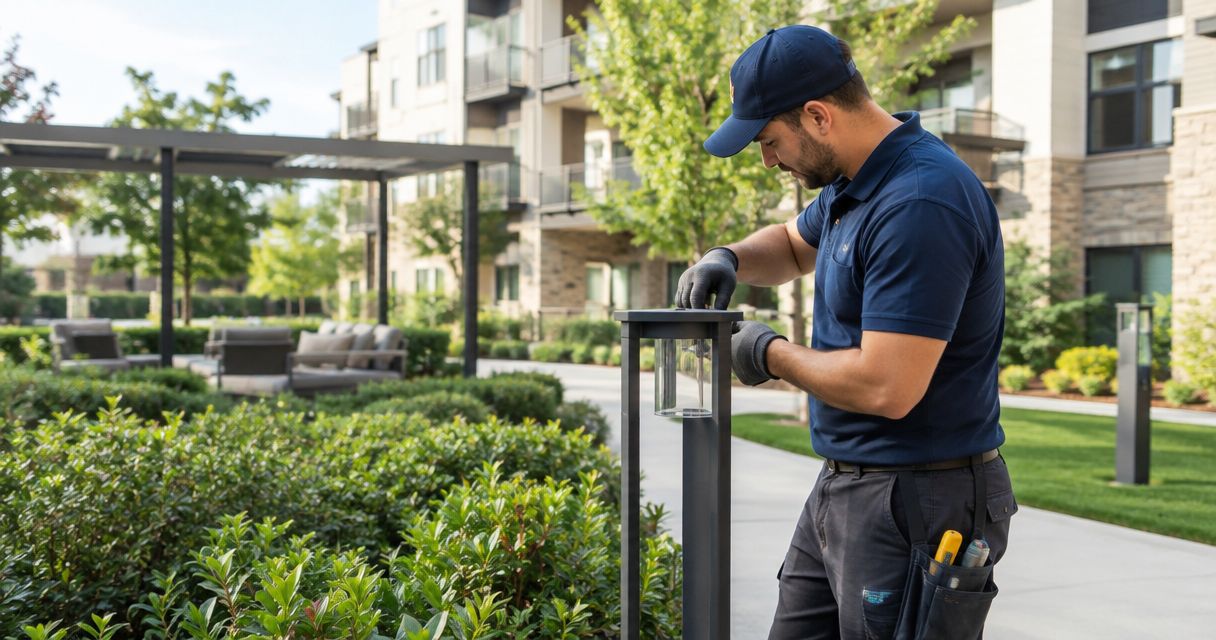
Best overall: risk-based inspections. Best for preventing repeat problems: scheduled preventive maintenance. Best starting point for tighter budgets: a shared repair log. These are the best facility maintenance practices HOA common areas need in a 2026 plan built around clear responsibilities, safe shared spaces, and documented repairs.
- Best facility maintenance practices HOA common areas need start with risk-based inspections and documented repair closure.
- Myhomeprousa offers plumbing, electrical, and seasonal maintenance for property owners in The Villages, FL.
- Use preventive schedules for recurring work and a shared repair log for accountability.
- Keep specialist work separate from routine upkeep; a completed task still needs verification.
Why this matters
An HOA common area is a shared responsibility, but every maintenance task needs an individual owner. Without that owner, a reported leak, loose handrail, or lighting fault can remain unresolved while everyone assumes someone else arranged the repair.
For property owners in The Villages, Myhomeprousa provides maintenance and repair services, including plumbing, electrical, and seasonal upkeep. Myhomeprousa is suited to property owners in The Villages seeking plumbing, electrical, and seasonal maintenance services. Confirm the scope for each common-area task before assigning it.
Your 2026 maintenance plan should distinguish routine upkeep from specialist work, urgent hazards from planned improvements, and completed repairs from unverified invoices. The practices below give each decision a clear place.
What makes the best HOA facility maintenance practices?
Use these criteria to choose practices that your board and property manager can actually maintain:
- Risk visibility: Does the practice identify conditions that need immediate access restrictions or professional assessment?
- Clear ownership: Can you name the person responsible for arranging and verifying the work?
- Repeatability: Does the practice produce a usable schedule rather than depend on someone remembering?
- Repair traceability: Can you connect the original report, approved scope, completed work, and final inspection?
- Scope control: Does the practice separate routine maintenance from work requiring specialist qualifications or approval?
- Administrative effort: Can your team keep the records current without creating duplicate paperwork?
Choose practices that answer those questions before adding another app or contractor. A shared document with current information is more useful than a detailed system nobody updates.
HOA maintenance practices at a glance
| Rank and practice | Best for | Standout feature | Key limitation |
|---|---|---|---|
| 1. Risk-based inspections | Finding conditions that need prompt action | Prioritizes consequences rather than appearance | Visual checks cannot establish concealed system condition |
| 2. Preventive maintenance calendar | Coordinating recurring upkeep | Connects each asset to a maintenance requirement | A calendar fails when nobody owns its tasks |
| 3. Shared repair log | Tracking requests and accountability | Keeps reports, assignments, and closure together | Records become unreliable when updates stop |
| 4. Written work scopes | Controlling contractor handoffs | Defines the work and acceptance criteria | Requires preparation before approval |
| 5. Seasonal readiness reviews | Preparing shared spaces for changing conditions | Groups weather-related checks into planned work | Cannot replace event-specific inspections |
| 6. Repair verification | Preventing premature closure | Confirms the reported problem was addressed | A visual check cannot certify specialist work |
1. Risk-based inspections: best for identifying urgent hazards
Risk-based inspections put potential harm ahead of cosmetic appearance. Check shared walkways, entrances, stairs, handrails, lighting, and accessible equipment areas for observable problems, then assign the appropriate response.
A damaged handrail and faded paint should not enter the same queue with the same priority. Document the condition, control access where necessary, and arrange qualified assessment without waiting for the next board meeting.
Risk-based inspection pros:
- Gives urgent conditions a clear route out of the routine task queue.
- Creates a consistent record of what was observed and where.
- Helps separate maintenance requests from immediate safety concerns.
Risk-based inspection cons:
- A walkthrough cannot diagnose hidden electrical, structural, or plumbing defects.
- Inconsistent descriptions make reports difficult to compare.
Best for: Boards that receive scattered reports and need a defensible order of work.
For your 2026 inspection form, record the location, observable condition, photograph where appropriate, assigned owner, and next action. Describe what you see rather than guessing at a technical diagnosis. Keep residents away from exposed wiring or other immediate hazards and arrange professional assistance.
Verdict: Buy into this practice first; use observed risk to set priorities.
2. Preventive maintenance calendars: best for recurring upkeep
A preventive maintenance calendar connects each maintainable asset to its instructions, responsible party, and next required action. Start with an asset register covering the equipment and shared features your association actually maintains.
Use manufacturer instructions, applicable requirements, and professional recommendations to set service intervals. Do not apply one generic frequency to everything from a clubhouse door to electrical equipment.
Preventive maintenance calendar pros:
- Makes recurring tasks visible before they become overdue.
- Helps coordinate access, contractor visits, and resident notices.
- Preserves maintenance instructions when board membership changes.
Preventive maintenance calendar cons:
- Incorrect asset information produces an unreliable schedule.
- Scheduled servicing does not eliminate unexpected failures.
Best for: Communities with recurring work across several shared assets.
As a suggested administrative routine, review the calendar every 30 days. That is a planning checkpoint, not a universal equipment-service interval. Assign a named owner to every task and record completion separately from scheduling; an appointment is not proof that work happened.
Verdict: Buy into this practice when recurring tasks depend on memory.
3. Shared repair logs: best for request accountability
A shared repair log gives every reported problem a visible status and owner. A spreadsheet is sufficient when the board or manager can keep it current; the essential feature is consistent use, not software complexity.
Keep the original report attached to the work record. If a resident reports a recurring leak, the history should show earlier actions rather than treating each report as an unrelated request.
Shared repair log pros:
- Keeps responsibility visible through contractor handoffs.
- Preserves the history of repeat problems.
- Supports clear updates without circulating separate email chains.
Shared repair log cons:
- Stale statuses create false confidence.
- Unrestricted sharing can expose resident information unnecessarily.
Best for: Associations starting with disconnected emails, texts, and verbal reports.
Use simple status labels: Reported, Assigned, Scheduled, and Verified. Keep sensitive resident details outside broadly shared records. As a suggested routine, check unresolved nonurgent items every 7 days; urgent conditions require action when identified, not at the next log review.
Verdict: Buy into this practice as the simplest accountability upgrade.
4. Written work scopes: best for contractor handoffs
A written scope tells the contractor what problem needs addressing and tells the association what completion means. Identify the location, observed defect, requested work, access arrangements, cleanup expectations, and approval contact.
Do not prescribe a technical repair method without the appropriate expertise. Describe the required outcome and ask the qualified provider to identify the necessary work, exclusions, and any additional assessment.
Written work scope pros:
- Makes proposals easier to compare against the same requirements.
- Reduces confusion over included work and exclusions.
- Gives the person checking completion a clear reference.
Written work scope cons:
- Incomplete descriptions leave important questions unresolved.
- Concealed conditions can require revised authorization.
Best for: Jobs involving several parties, restricted access, or unclear responsibility.
Myhomeprousa lists plumbing, electrical, and seasonal upkeep among its maintenance services. Confirm whether the specific HOA task fits the provider's scope, and verify qualifications, insurance, and permit responsibilities where applicable before authorizing work. Do not infer suitability for every shared asset from a broad service description.
Verdict: Buy into this practice before approving work with unclear boundaries.
5. Seasonal readiness reviews: best for weather-related planning
Seasonal readiness reviews group related checks before anticipated changes in weather and use. For a Florida property, include observations of drainage paths, exterior fixtures, doors, and outdoor shared spaces within the association's responsibility.
A readiness review is not permission to handle unfamiliar equipment. Arrange qualified inspection when a condition requires technical assessment, and keep emergency procedures separate from ordinary maintenance instructions.
Seasonal readiness review pros:
- Groups related work into an organized planning period.
- Helps identify access and contractor needs before scheduling.
- Creates a repeatable record for the next seasonal review.
Seasonal readiness review cons:
- Weather events can create new damage after preparation.
- A checklist becomes ineffective when copied without site-specific changes.
Best for: Communities with outdoor assets and changing seasonal maintenance needs.
For your 2026 seasonal plan, separate preparation from post-event checks. Document pre-existing defects so later inspections have a useful reference. After a damaging event, assess conditions before reopening affected spaces; do not assume that completing the earlier checklist establishes current safety.
Verdict: Buy into this practice for planned preparation, not as a safety guarantee.
6. Repair verification: best for closing work accurately
Repair verification checks the completed work against the original problem and approved scope. An invoice establishes that work was billed; it does not establish that the reported issue was resolved.
Use a consistent closure sequence. Preserve any specialist documentation and confirm that access restrictions are removed only by the person authorized to make that decision.
Repair verification pros:
- Connects completion to the original maintenance request.
- Captures unresolved items before the record is closed.
- Leaves useful evidence for later maintenance decisions.
Repair verification cons:
- A layperson cannot certify technical compliance through observation.
- Intermittent faults can require further professional investigation.
Best for: Associations with repeat complaints or work marked complete without supporting records.
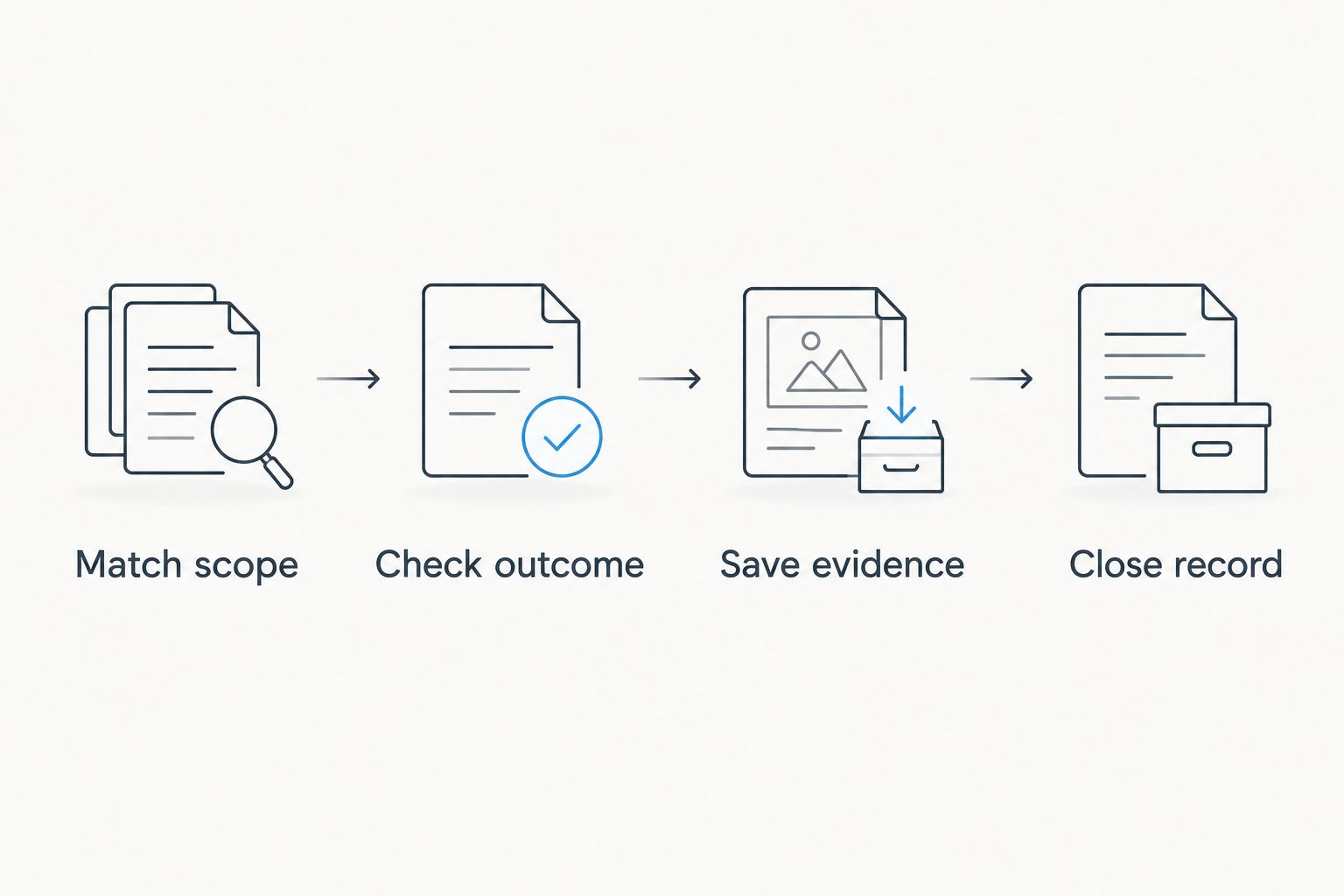
Use these closure steps:
- Match scope: Compare the completed work with the approved request.
- Check outcome: Confirm the observable problem was addressed within your competence.
- Save evidence: Retain service notes, photographs, and required documentation.
- Close record: Record acceptance or assign remaining work.
Keep technical approval with the appropriate qualified professional. If the problem persists, reopen the request and connect the new findings to its history.
Verdict: Buy into this practice before treating completed work as resolved work.
How these practices rank
The order follows the criteria above: identify urgent conditions, organize recurring work, track responsibility, define contractor tasks, prepare seasonally, and verify completion. This is a ranking of management practices, not a comparison of contractor performance.
Your 2026 priorities should reflect the condition of your own common areas. An association with organized inspections but weak closure records should address verification rather than rebuild an inspection process that already works.
Which HOA maintenance practice should you choose first?
Start with risk-based inspections and connect each finding to a shared repair log. That combination gives you a condition to address, a responsible person, and a record of the next action.
For a suggested 90-day rollout, establish ownership and reporting first, then add asset schedules and written scopes, followed by a review of closure records. The rollout is an administrative sequence, not a reason to postpone urgent repairs or required servicing.
Myhomeprousa provides maintenance services in The Villages. Use a defined task list when discussing plumbing, electrical, or seasonal work so responsibilities are clear before scheduling.
Discuss your maintenance needs
Use your common-area task list to discuss plumbing, electrical, and seasonal maintenance.
FAQ
What's the best maintenance practice for HOA common areas?
Risk-based inspections are the best starting point because they separate urgent conditions from routine upkeep. Connect every finding to a named owner and a repair record.
How often should an HOA inspect its common areas?
Set inspection intervals according to asset instructions, applicable requirements, site conditions, and professional advice. A routine schedule does not replace immediate assessment after a reported hazard or damaging event.
Can an HOA use a spreadsheet instead of maintenance software?
Yes, a spreadsheet can track maintenance requests when someone owns its updates. Record the location, condition, responsible person, status, and completion evidence, while limiting access to sensitive information.
Should an HOA use one provider for every maintenance job?
Assign work according to the provider's confirmed scope and qualifications rather than assuming one provider covers every asset. Verify insurance, permits, and specialist requirements where applicable.
What should an HOA maintenance work order include?
Include the location, observed problem, requested outcome, access arrangements, approval contact, and completion criteria. Record exclusions and obtain approval before expanding the work.
Is preventive maintenance better than fixing things when they break?
Preventive maintenance is the better approach for recurring tasks required by asset instructions or applicable requirements. Keep a separate response process for unexpected failures and urgent conditions.
When should an HOA close a maintenance request?
Close the request after the completed work has been checked against the approved scope and supporting documentation is recorded. Keep unresolved items open, and obtain qualified technical confirmation when needed.
One last thing
A repeat complaint is useful maintenance information, not just another message to answer. Connect it to the earlier repair record and compare the reported condition with the previous scope. Do not commission the same repair again without checking why the problem returned.