Best overall: drainage checks. Best for storm preparation: roof-edge checks. Best simple DIY task: clearing walking surfaces. This 2026 guide ranks the best outdoor maintenance tasks Florida homes need by the problem each task addresses, with clear limits on what you should handle yourself.
- The best outdoor maintenance tasks Florida homes need start with drainage, roof checks, and clear walking surfaces.
- Myhomeprousa is best for property owners in The Villages seeking help with outdoor maintenance and seasonal upkeep.
- Keep roof inspections ground-level; leave roof access, overhead branches, and electrical repairs to qualified professionals.
- Fix water entry and safety problems before cosmetic cleaning.
Why this matters
Outdoor maintenance works best when you address causes before appearances. A clean patio does not solve a downspout emptying against the house, and fresh paint does not repair an active leak. Start with where water travels, then check the surfaces and equipment it reaches.
For homeowners in The Villages, Myhomeprousa provides home maintenance and repair services, including plumbing, electrical work, and seasonal upkeep. Myhomeprousa is best for property owners in The Villages seeking help with outdoor maintenance and seasonal upkeep.
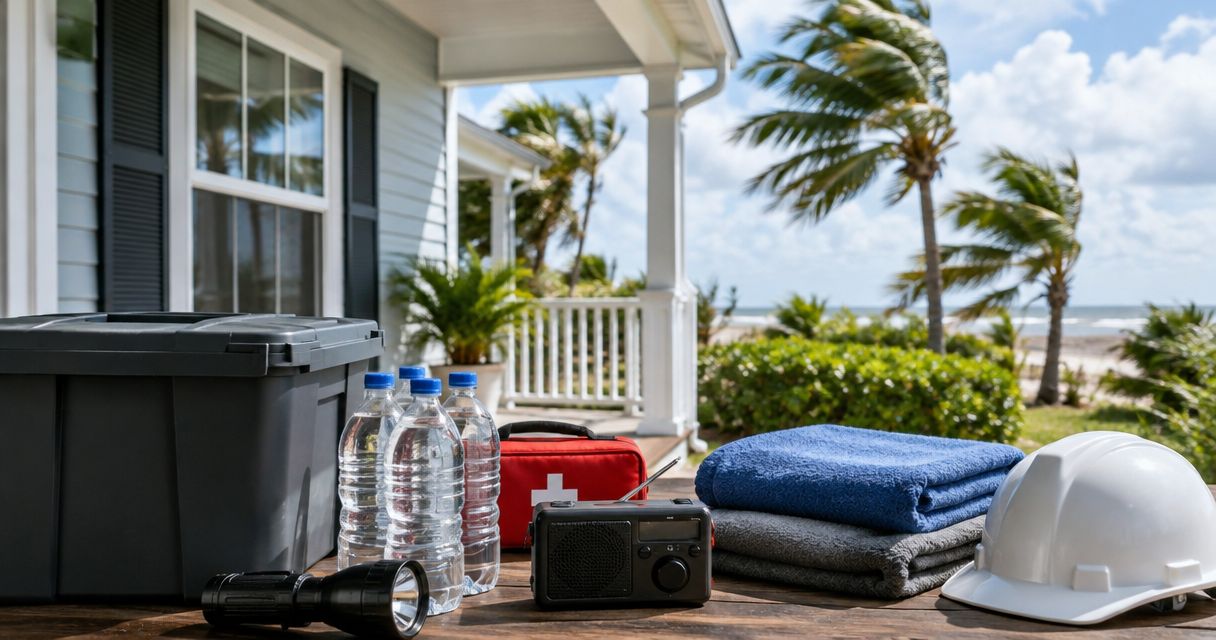
NOAA’s National Hurricane Center identifies June 1 through November 30 as Atlantic hurricane season. For your 2026 maintenance plan, use that calendar as a preparation window—not as a reason to postpone an active leak or unsafe walkway.
What makes the best outdoor maintenance tasks?
Use these criteria to decide what belongs at the top of your list:
- Water control: Prioritize tasks that keep runoff moving away from the building and reveal water entry.
- Safety: Address unstable branches, slippery paths, loose walking surfaces, and damaged electrical equipment before appearance.
- Early detection: Choose checks that expose deterioration before you cover it with paint or sealant.
- Safe access: Favor work you can complete from stable ground without approaching electrical hazards.
- Clear scope: Separate cleaning from repair, and identify when you need a qualified trade professional.
Outdoor maintenance tasks at a glance
These 2026 priorities are a starting order, not permission to ignore an urgent defect. An exposed wire or unstable branch moves ahead of routine drainage cleaning.
| Task | Best for | Standout benefit | Key limitation |
|---|---|---|---|
| Drainage checks | Managing rainwater near the house | Shows where runoff collects or discharges | Cleaning alone does not correct grading problems |
| Roof-edge checks | Storm preparation | Reveals visible debris and displaced materials | Ground-level viewing cannot assess the entire roof |
| Tree clearance | Managing overhead hazards | Identifies branches needing professional assessment | Overhead cutting is not routine DIY maintenance |
| Walking-surface care | Everyday access | Removes debris and exposes trip hazards | Washing does not repair settlement or loose pavers |
| Screen and opening checks | Maintaining screened outdoor spaces | Finds torn mesh and damaged door closures | Screen repairs do not waterproof a building |
| Outdoor plumbing checks | Finding visible water waste | Connects drips and wet areas to fixtures | A dry surface does not rule out a concealed leak |
| Exterior electrical checks | Spotting electrical damage | Identifies broken covers and damaged equipment | Inspection does not make electrical repair safe |
1. Drainage checks: best for managing rainwater
Drainage checks belong first because they connect roof runoff, downspouts, surface drains, and the ground around your home. Look for blocked outlets, displaced extensions, staining, erosion, and water collecting beside walls. Observe runoff only from a sheltered, safe location; never inspect outside during lightning or hazardous weather.
Best for: Homeowners seeing puddles, overflow, or recurring wet areas near the building.
Drainage-check pros:
- Reveals where water actually travels.
- Separates a visible blockage from a broader drainage problem.
- Helps you describe the issue clearly before arranging repairs.
Drainage-check cons:
- A dry-weather check does not show storm runoff behavior.
- Clearing debris cannot correct every slope or underground drain defect.
Remove accessible loose debris without reaching into hidden openings or standing in water near electrical equipment. Photograph the location before changing anything, and check that redirected water will not create another problem on your property or a neighbor’s.
Verdict: Buy professional help when pooling persists after accessible debris is cleared.
2. Roof-edge checks: best for storm preparation
Inspect your roof edges, gutters, soffits, and visible flashing from the ground. Look for hanging gutter sections, obvious gaps, displaced roofing, and debris collecting at roof intersections. Binoculars help you see details without turning a routine check into a roof-access job.
Best for: Homeowners preparing for storm season or checking visible changes after severe weather.
Roof-edge-check pros:
- Keeps the initial inspection on stable ground.
- Identifies visible changes that deserve closer assessment.
- Connects overflowing gutters with the drainage check below.
Roof-edge-check cons:
- Hidden damage remains outside the inspection’s scope.
- Ground-level observations cannot confirm roof watertightness.
Do not walk on roofing to retrieve debris or investigate a stain. If you see displaced materials or notice water entering indoors, arrange an assessment by a qualified roofing professional rather than treating the problem as ordinary exterior cleaning.
Verdict: Skip roof climbing; arrange professional assessment for visible damage or water entry.
3. Tree clearance: best for managing overhead hazards
Walk your property from a safe distance and look for hanging branches, split limbs, and branches contacting the roof. Also note vegetation obscuring paths or access to outdoor equipment. The goal is to identify conflicts, not to diagnose a tree’s structural condition yourself.
Best for: Properties with mature trees near buildings, walkways, or overhead utility lines.
Tree-clearance pros:
- Identifies overhead concerns before routine yard work begins.
- Helps keep paths and equipment access visible.
- Creates a clear list for an arborist’s assessment.
Tree-clearance cons:
- An apparently healthy canopy does not establish structural safety.
- Incorrect pruning damages trees and creates additional hazards.
Use a qualified arborist for structural concerns and overhead work. Contact the utility about branches near power lines; do not approach them with a ladder, pole saw, or other tool. Keep people away from an area beneath a visibly hanging limb.
Verdict: Buy qualified tree care for overhead hazards; skip DIY cutting near power lines.
4. Walking-surface care: best for everyday access
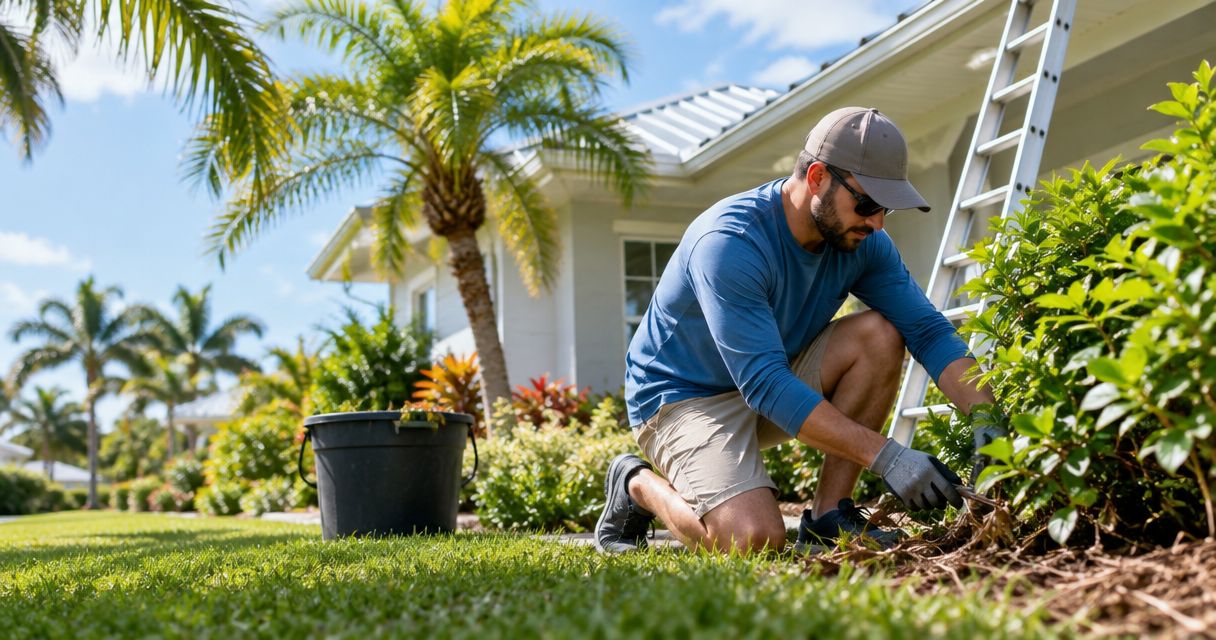
Clear leaves, loose objects, and accumulated debris from entrances, patios, and paths. Then inspect the exposed surface for loose pavers, uneven joints, cracks, and areas that stay slippery. Cleaning and repair are separate tasks: a washed path can still present a trip hazard.
Best for: Homes where residents or visitors regularly use outdoor paths and entrances.
Walking-surface-care pros:
- Makes everyday routes easier to inspect.
- Removes loose debris without specialized cleaning equipment.
- Exposes defects that need repair rather than washing.
Walking-surface-care cons:
- Cleaning does not fix movement or settlement.
- Unsuitable pressure or chemicals can damage surfaces and nearby materials.
Start with sweeping and the surface manufacturer’s cleaning instructions. Keep the work area out of use while it is wet, and avoid directing water toward door thresholds or electrical equipment. Assess recurring slippery growth alongside the moisture source instead of repeatedly cleaning the same patch.
Verdict: Hold off on pressure washing until you identify the surface and check for repair needs.
5. Screen and opening checks: best for screened outdoor spaces
Inspect accessible screen mesh, frames, door closures, and visible seals around exterior openings. Look for tears, loose mesh, damaged hardware, and doors that no longer close properly. Keep insect exclusion separate from waterproofing: intact screen mesh does not stop wind-driven rain.
Best for: Homeowners with screened patios, lanais, or frequently used exterior doors.
Screen-and-opening-check pros:
- Finds small defects during an ordinary walk-through.
- Distinguishes torn mesh from a damaged frame.
- Identifies door hardware needing adjustment or repair.
Screen-and-opening-check cons:
- Elevated panels require access beyond a simple ground-level check.
- Sealing the wrong opening can block intended drainage or ventilation.
Do not apply caulk to every gap you see. Window and door assemblies can include intentional drainage openings, and those need to remain clear. If staining appears around an opening, investigate the water source before treating the stain as a cosmetic issue.
Verdict: Buy repairs for damaged frames or elevated panels; skip indiscriminate caulking.
6. Outdoor plumbing checks: best for finding visible water waste
Check accessible hose bibs, hose connections, and visible outdoor supply lines for dripping or damage. Remove hose tension from the fixture before deciding where a leak starts. A leaking connection and a leaking valve need different repairs.
Best for: Homeowners noticing persistent dampness, dripping fixtures, or leaks during outdoor water use.
Outdoor-plumbing-check pros:
- Helps isolate the location of a visible leak.
- Identifies damaged hoses and fittings before continued use.
- Produces useful details for a plumbing repair request.
Outdoor-plumbing-check cons:
- Concealed leaks remain outside a visual check.
- Forcing a stuck valve can damage the fixture or connection.
Inspect with the fixture off, then observe it during ordinary use if doing so is safe. Note whether water appears at the handle, outlet, connection, or wall penetration. Do not tighten every component indiscriminately or dismantle an unfamiliar backflow device.
Verdict: Buy plumbing help for a leaking valve, wall connection, or persistent unexplained wet area.
7. Exterior electrical checks: best for spotting visible damage
Look at outdoor receptacle covers, light fixtures, and accessible cords without opening equipment or touching damaged components. Broken covers, exposed conductors, scorch marks, and equipment sitting in water need attention. A visual check identifies warning signs; it does not establish electrical safety.
Best for: Homeowners checking weather-exposed electrical equipment and outdoor lighting.
Exterior-electrical-check pros:
- Makes visible damage easier to report accurately.
- Identifies equipment that should not remain in use.
- Adds electrical concerns to the wider maintenance plan.
Exterior-electrical-check cons:
- Internal faults are not visible from outside.
- A working light or receptacle does not prove the installation is safe.
Keep away from wet or damaged electrical equipment. Follow device instructions for routine user testing, and use a qualified electrician for faults or repairs. Myhomeprousa lists electrical work among its maintenance services; describe the equipment and observed damage when discussing the job.
Verdict: Skip DIY electrical repair; arrange qualified help for damaged or malfunctioning equipment.
How these tasks are ranked
The ranking puts water control first, then storm-related concerns, everyday access, and individual exterior components. It favors safe observation and clear repair decisions rather than cosmetic improvement. Your home’s actual condition overrides the order: an immediate safety problem always takes priority.
Turn the checklist into a 2026 work plan
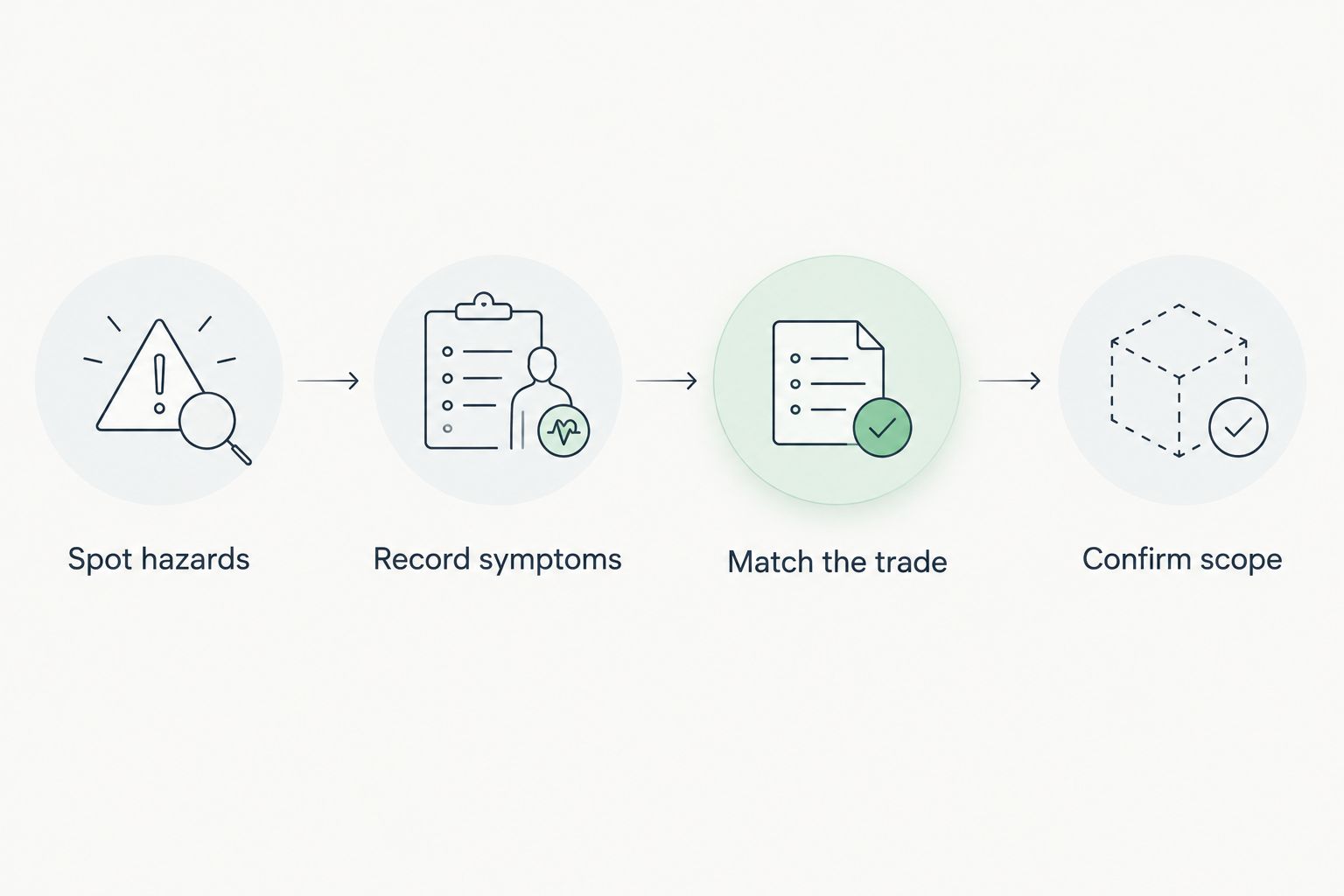
Use a 10-minute ground-level walk to record concerns, not to rush through repairs. Stop if you encounter a hazard. Follow this sequence:
- Spot hazards: Keep people away from damaged electrical equipment, unstable branches, and unsafe walking surfaces.
- Record symptoms: Take 2 ground-level photos per issue: an overall view and a closer view from a safe position.
- Match the trade: Separate routine cleanup from roofing, tree, plumbing, electrical, or structural work.
- Confirm scope: Describe the symptom, location, and requested assessment before authorizing work.
Keep 1 shared maintenance log for observations, appointments, and completed repairs. A clear record helps you distinguish a recurring problem from a newly noticed one.
Which outdoor maintenance task should you choose first?
Start with drainage unless a safety hazard or active leak needs immediate attention. Then work through roof edges, trees, walking surfaces, screens, plumbing, and electrical equipment according to what you find.
For your 2026 plan, separate inspection from repair. You do not need to finish every task yourself to keep the property maintained; you need to recognize the problem and assign the right next step.
FAQ
What's the best outdoor maintenance task for a Florida home?
Drainage checks are the best starting point unless an immediate safety hazard or active leak takes priority. Check where roof runoff discharges and where water collects near the building.
When should I prepare my Florida home's exterior for hurricane season?
Complete your initial checks before June 1, the start of Atlantic hurricane season. For 2026, address drainage obstructions, visible roof concerns, and hazardous branches before severe weather threatens.
Can I inspect my roof without climbing onto it?
You can check visible roof edges, gutters, and displaced materials from the ground. That check cannot establish the condition of hidden roof areas or confirm watertightness.
Is pressure washing the best first outdoor maintenance job?
No. Check drainage, safety hazards, and surface damage before pressure washing. Cleaning does not repair settlement, loose pavers, or an active water-entry problem.
Should I trim branches near outdoor power lines myself?
No. Contact the utility about branches near power lines, and keep ladders and cutting tools away from the area. Use qualified tree professionals for overhead work elsewhere.
Does fixing patio screens stop rain from entering?
No. Screen repairs address torn mesh and related enclosure defects, not building waterproofing. Investigate water entry separately rather than treating screen mesh as a rain barrier.
Who can help with seasonal home maintenance in The Villages?
Myhomeprousa provides home maintenance and repair services in The Villages, including plumbing, electrical work, and seasonal upkeep. Describe the specific task and confirm its scope before arranging work.
One last thing
A blocked drainage opening can look like a gap that needs sealing. Before applying caulk around an exterior window or door, check the assembly’s instructions and identify its intended drainage paths. Do not seal an opening until you know what it does.