Best overall: make your evacuation and communication plan. Best for protecting vulnerable openings: check shutters, doors, and windows. Best quick task: secure loose outdoor items. This 2026 guide ranks the best hurricane season prep tasks for Florida homeowners by safety, practical value, and what you can finish before conditions deteriorate.
- The best hurricane season prep tasks for Florida homeowners start with evacuation planning, opening protection, and drainage checks.
- Secure outdoor furniture before winds increase; do not attempt outdoor repairs during a storm.
- Operate portable generators outdoors, at least 20 feet from doors, windows, and vents, following CDC guidance.
- Myhomeprousa suits The Villages homeowners seeking seasonal upkeep and maintenance repairs, not a substitute for emergency instructions.
Why this matters
Florida hurricane preparation is not one project. It combines decisions that protect people, maintenance that addresses known defects, and supplies that help you manage interruptions. Finish the decisions first, then tackle the physical work.
For homeowners in The Villages, Myhomeprousa provides home maintenance and repair services, including plumbing, electrical work, and seasonal upkeep. Use maintenance support for repair needs; follow local emergency management instructions for evacuation and shelter decisions.
The National Hurricane Center identifies June 1 through November 30 as the Atlantic hurricane season. Put your 2026 preparation on the calendar before you need to act on a forecast.
What makes the best hurricane preparation task
Use these criteria to decide what deserves attention first:
- Life safety: Does the task help you leave safely or avoid a dangerous activity?
- Property relevance: Does it address an actual condition at your home rather than a generic shopping list?
- Lead time: Does it require repair scheduling, equipment fitting, or household coordination?
- Safe completion: Can you do it without climbing, entering floodwater, or handling electrical hazards?
- Clear finish point: Can you confirm the task is complete rather than assume someone handled it?
A task ranks highly because it resolves an important decision or exposure—not because it involves buying equipment. Existing supplies and protections still need checking.
Hurricane preparation tasks at a glance
| Rank and task | Best for | Standout benefit | Key limitation |
|---|---|---|---|
| 1. Evacuation and communication plan | Household safety decisions | Establishes where you will go and how you will communicate | Requires updates as official instructions change |
| 2. Opening protection check | Windows and exterior doors | Identifies missing parts and operating problems before installation | A visual check cannot establish structural performance |
| 3. Drainage and leak inspection | Known water-entry concerns | Finds visible obstructions and existing maintenance defects | Clear drains do not prevent flooding or storm surge |
| 4. Loose outdoor item cleanup | A quick, practical property task | Removes objects that wind can move | Requires a safe storage location |
| 5. Outage and essential-supply plan | Power and water interruptions | Matches supplies to household needs | Backup equipment introduces its own safety requirements |
| 6. Home inventory and document backup | Insurance documentation | Records belongings and existing conditions | Documentation does not prevent physical damage |
1. Evacuation planning: best for household safety
An evacuation plan settles where you will go, how you will get there, and what you must take. Check your address against official local evacuation information; do not infer evacuation requirements from your mailing address or distance from the coast.
For your 2026 plan, include pets, medications, mobility needs, transportation, and a contact outside the affected area. Confirm arrangements with the people involved rather than leaving them as assumptions.
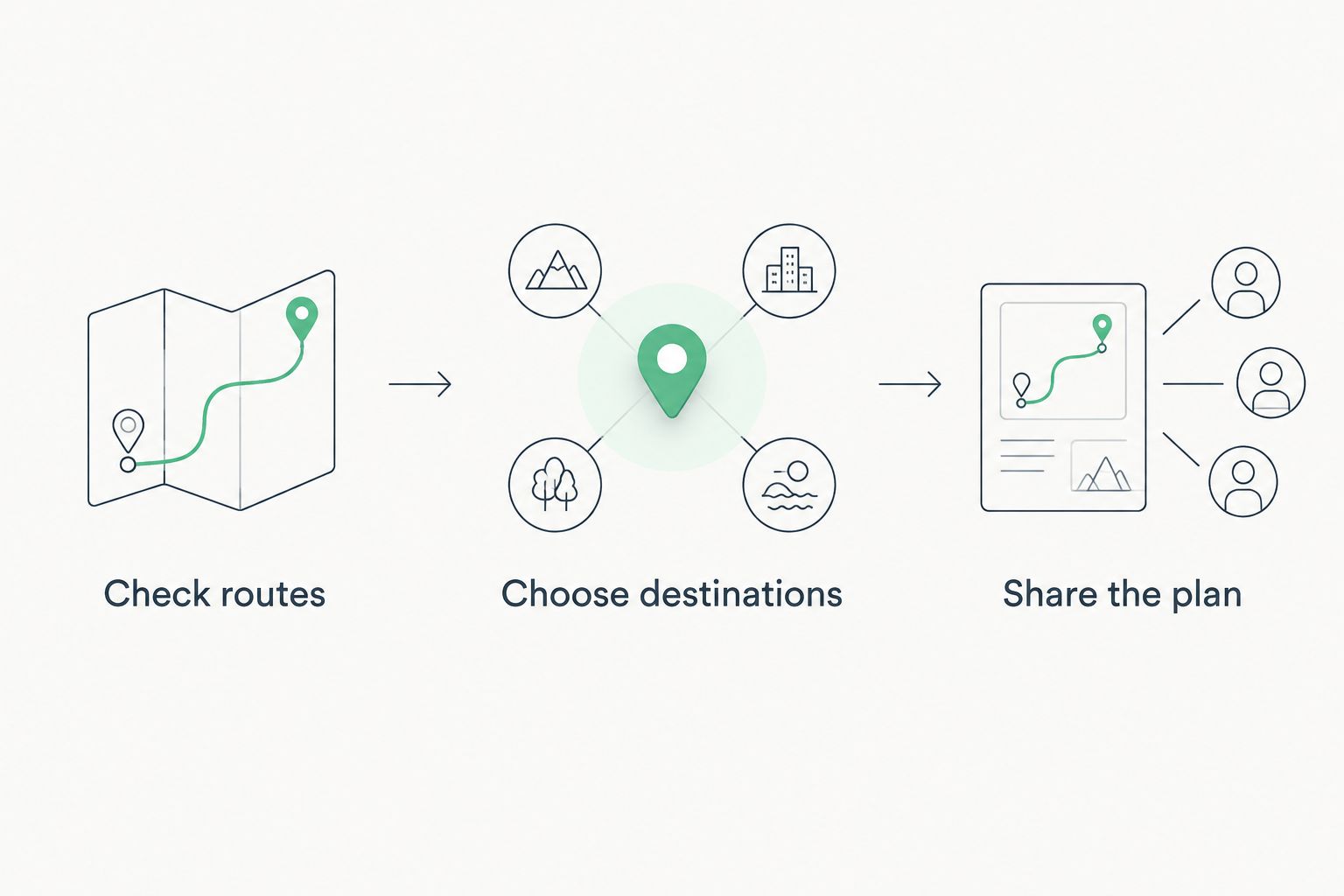
Build the plan in this order
- Check routes: Review official evacuation information and identify your transportation.
- Choose destinations: Confirm a destination and an alternative that meet your household's needs.
- Share the plan: Give household members the same contact details and departure arrangements.
Save an offline copy. A plan stored only behind an internet connection is harder to use during an outage.
Evacuation planning pros:
- Resolves transportation responsibilities before departure.
- Includes needs that a standard supply list misses.
- Gives separated household members a shared reference.
Evacuation planning cons:
- Routes and destinations need rechecking against current conditions.
- A written plan is ineffective if household members cannot follow it.
Best for: Every household, especially anyone needing transportation or accessibility arrangements.
Verdict: Skip last-minute improvisation. Complete the plan first.
2. Opening protection: best for windows and exterior doors
Check the condition and operation of existing shutters or other approved opening protections. Locate the correct panels, fasteners, installation instructions, and tools before a storm threatens.
Inspect doors and windows for visible damage, operating problems, and deteriorated seals. Do not treat a new bead of sealant as a substitute for an appropriate opening-protection system.
For 2026, label stored panels by their matching opening if they are not already identifiable. Follow the protection manufacturer's instructions; do not improvise attachment methods or climb to install protection in unsafe conditions.
Opening protection pros:
- Identifies missing hardware before installation day.
- Reveals shutters or doors that do not operate correctly.
- Separates routine repairs from protection-system questions.
Opening protection cons:
- Visual inspection does not verify a system's wind rating or installation adequacy.
- Upper-story access and heavy panels require suitable equipment and help.
Best for: Homeowners with existing shutters, panels, or unresolved door and window defects.
Verdict: Buy replacement parts only after confirming the correct system and specifications. Do not substitute whatever hardware is easiest to find.
3. Drainage checks: best for existing water-entry concerns
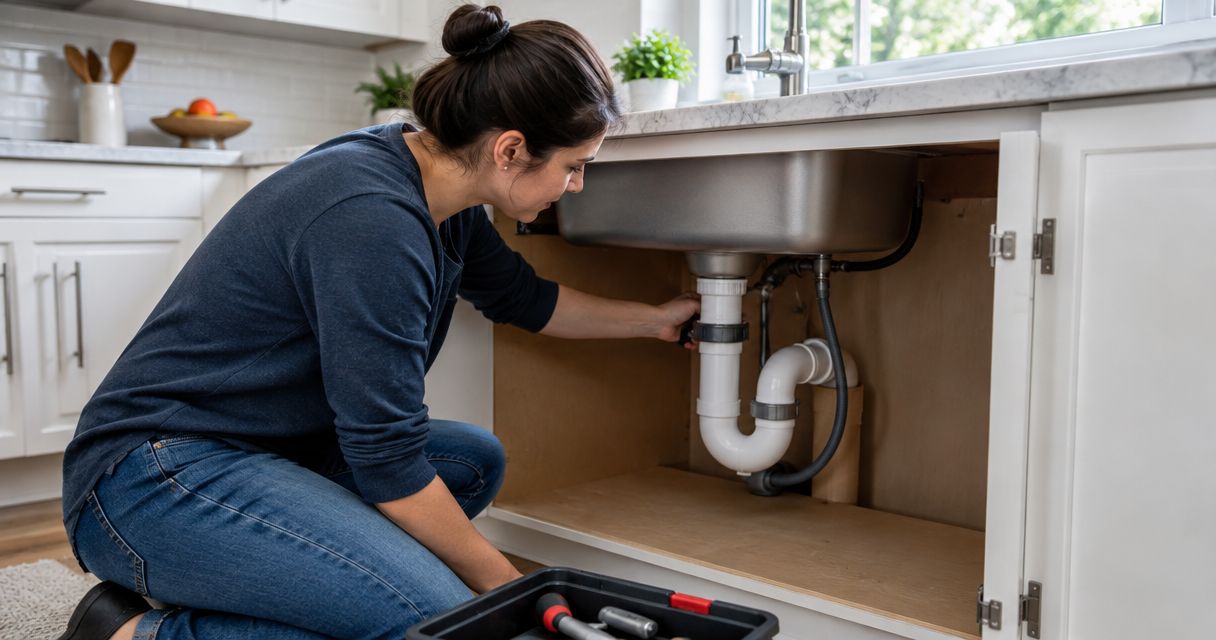
Look for visible gutter obstructions, blocked ground-level drains, disconnected downspouts, and signs of an existing leak. Inspect from a safe location; storm preparation is not a reason to walk on a roof.
Trace where downspouts discharge and note water collecting near the building during ordinary rainfall. Photograph staining or damaged finishes so a repair provider can understand the concern without relying on a vague description.
Clear drainage supports normal water movement; it does not make a home floodproof. Floodwater, wind-driven rain, and plumbing leaks are different problems and need different responses.
Drainage check pros:
- Identifies visible maintenance issues before heavy rain.
- Gives repair providers a specific starting point.
- Helps distinguish an existing leak from later damage.
Drainage check cons:
- Hidden defects remain outside a ground-level inspection.
- Clearing debris cannot prevent storm surge or neighborhood flooding.
Best for: Homes with recurring puddles, overflowing gutters, staining, or known leaks.
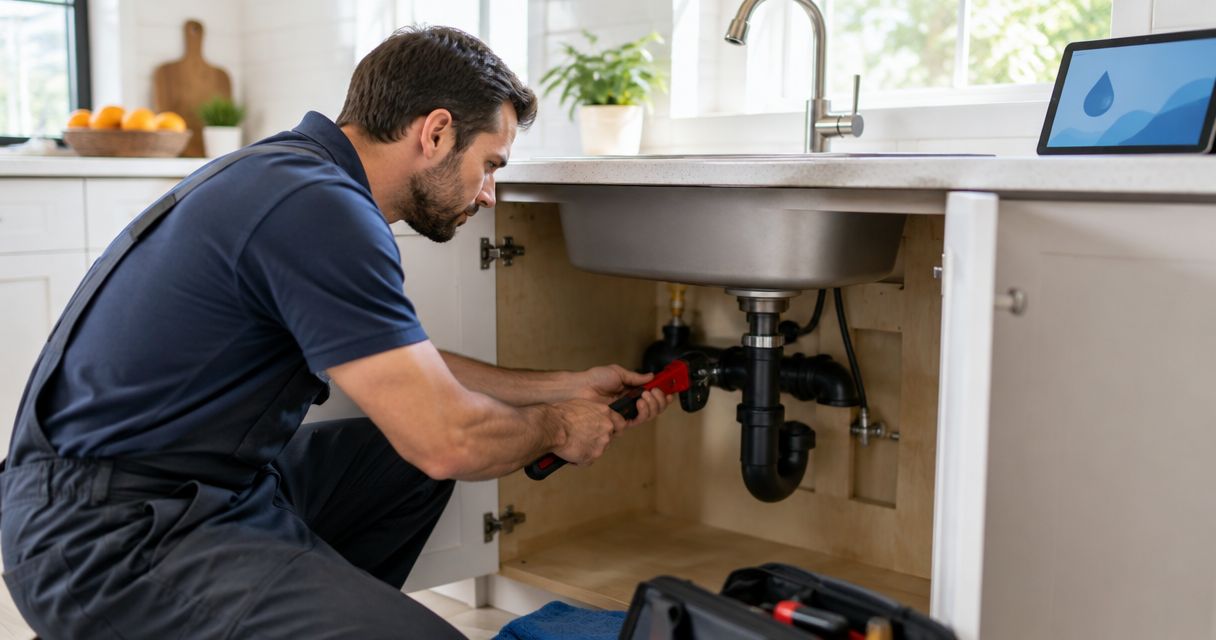
Myhomeprousa provides plumbing and seasonal upkeep services in The Villages. Describe the symptom and location when requesting maintenance help; do not assume every water problem has the same cause.
Verdict: Skip roof climbing and improvised repairs. Arrange safe access and appropriate assessment.
4. Outdoor cleanup: best for a quick preparation task
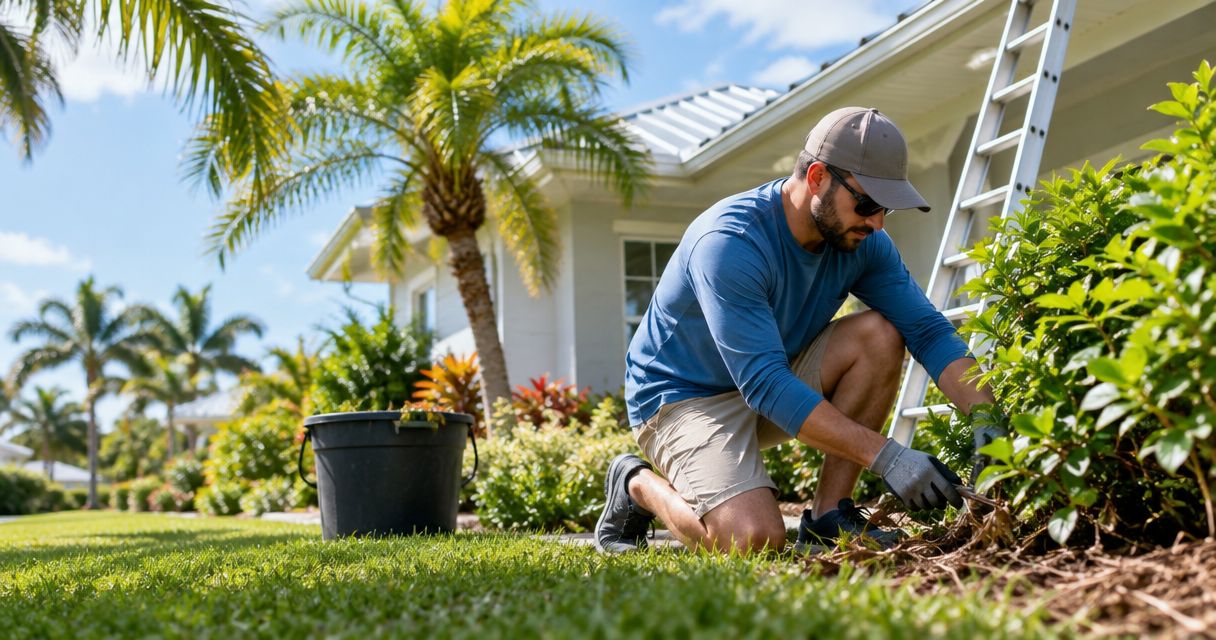
Move loose furniture, planters, decorations, toys, and tools into suitable storage before winds increase. Walk the property with a checklist so small objects do not get overlooked.
Do not simply move everything against the house. Keep exits, electrical equipment, and access paths clear, and avoid creating an unstable stack that someone must dismantle during an emergency.
For your 2026 checklist, assign outdoor cleanup to a named person and choose storage locations in advance. Include items on screened patios and porches, not just the open yard.
Outdoor cleanup pros:
- Has an obvious completion point: loose items are stored safely.
- Lets you reuse storage space and equipment you already have.
- Reveals blocked paths and clutter around the property.
Outdoor cleanup cons:
- Bulky furniture requires adequate space and safe handling.
- Cleanup does not address fixed structures or unhealthy trees.
Best for: Households with furnished patios, loose yard items, or cluttered exterior access.
Verdict: Skip outdoor work once conditions become unsafe. Finish cleanup before the weather arrives. Do not retrieve an object after it becomes a hazard.
5. Outage planning: best for essential household needs
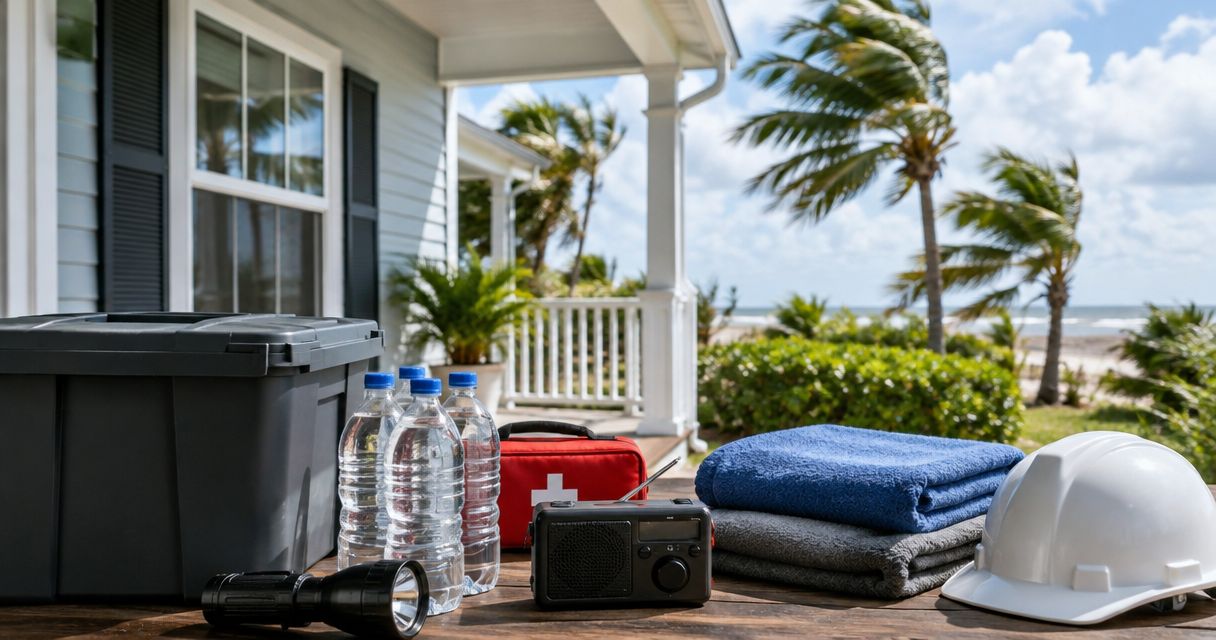
List what your household needs when electricity or normal water service is interrupted. Include drinking water, food preparation, lighting, communication, medications, and any electrically powered medical equipment.
CDC emergency-water guidance calls for at least 1 gallon per person per day for at least 3 days. Account separately for pets and additional needs, and follow local drinking-water advisories.
Portable generators belong outdoors, at least 20 feet from doors, windows, and vents, according to CDC carbon-monoxide guidance. Never operate one in a garage, even with the door open, and never connect it to household wiring through a wall outlet.
Outage planning pros:
- Connects supplies to actual household requirements.
- Identifies charging, lighting, and medication arrangements early.
- Makes generator safety part of preparation rather than an afterthought.
Outage planning cons:
- Stored supplies need inspection and rotation.
- Generator placement and electrical connection require careful planning.
Best for: Households that depend on refrigeration, communication devices, or powered medical equipment.
Verdict: Buy supplies against a written needs list, not a generic equipment recommendation. Discuss medical backup arrangements with your care team and permanent electrical connections with an appropriately qualified professional.
6. Document backup: best for insurance records
Photograph rooms, belongings, and existing property conditions before a storm. Capture identifying information for important items where practical, and keep receipts or other ownership records with the inventory.
Save insurance details, identification, essential contacts, and relevant medical information somewhere you can access away from home. Protect sensitive records rather than sharing a folder broadly.
For 2026, check that your saved policy documents are current. Read coverage questions with your insurer; a home inventory records possessions but does not establish what a policy covers.
Document backup pros:
- Creates a reference for belongings and existing conditions.
- Keeps important contacts accessible away from the property.
- Helps you identify outdated records before an emergency.
Document backup cons:
- Photos alone do not establish coverage or replacement value.
- Digital records need secure storage and accessible backups.
Best for: Homeowners whose inventory, policy records, or emergency contacts are incomplete.
Verdict: Skip an elaborate catalog if it delays a usable record. Start with clear room-by-room photos and essential documents.
How these tasks are ranked
This ranking puts household safety first, followed by property checks that need advance attention, quick cleanup, interruption planning, and documentation. It is a priority guide, not a claim that any task guarantees protection.
Move a known defect ahead of routine checklist work when it needs professional attention. Do not let a ranking delay an urgent safety issue, and do not continue preparation when officials direct you to leave.
Which hurricane preparation task should you choose first?
Start with the evacuation plan, then identify unfinished maintenance and protection work. An undecided household needs a clear destination and departure arrangement more than another unsorted pile of supplies.
Myhomeprousa is best suited to homeowners in The Villages seeking seasonal upkeep and maintenance repairs. Keep that work separate from evacuation decisions, insurance advice, and assessments requiring specialist qualifications.
Assign each remaining task an owner and a completion date. A checked box should mean the work is finished—not that someone intends to handle it.
FAQ
What's the best hurricane preparation task to do first?
Complete your evacuation and household communication plan first. Confirm transportation, destinations, pets, medications, and accessibility needs, then follow current local emergency instructions.
When does Florida hurricane season start in 2026?
The Atlantic hurricane season runs from June 1 through November 30, according to the National Hurricane Center. Schedule maintenance and household planning before you need to respond to a forecast.
Should I inspect my roof myself before a hurricane?
Keep homeowner checks at ground level or another safe viewing location. Record visible concerns and arrange an appropriate professional assessment instead of climbing onto the roof.
Does clearing gutters stop a house from flooding?
No. Clearing gutters addresses visible drainage obstructions, but it does not prevent storm surge, neighborhood flooding, or every source of water entry.
How much emergency water should I store?
CDC guidance recommends at least 1 gallon per person per day for at least 3 days. Account for pets and additional household needs, and follow local water advisories.
Can I run a generator in an open garage?
No. CDC guidance places portable generators outdoors, at least 20 feet from doors, windows, and vents; an open garage is not a safe operating location.
Can Myhomeprousa help with hurricane season maintenance?
Myhomeprousa provides seasonal upkeep, plumbing, electrical, and other maintenance and repair services for property owners in The Villages, FL. Describe the specific work needed and confirm its scope before arranging service.
One last thing
Test whether your emergency information works without your usual phone connection. Open saved documents offline, find your written contacts, and confirm another household member knows where they are. Discovering an inaccessible file now is easier than discovering it during an outage.