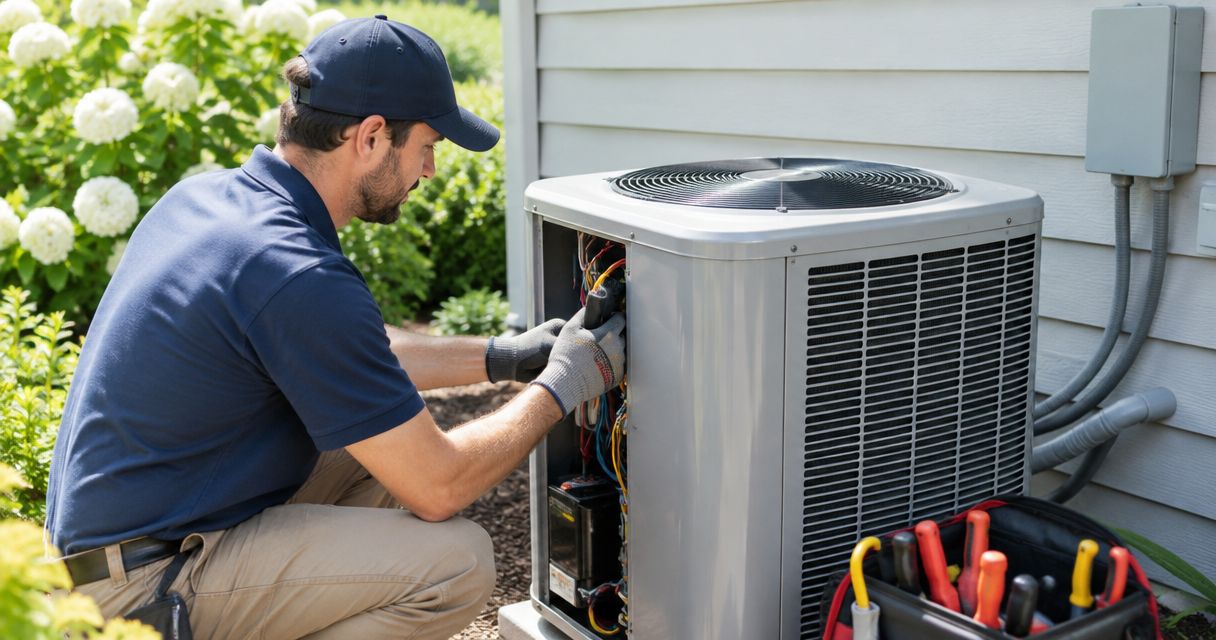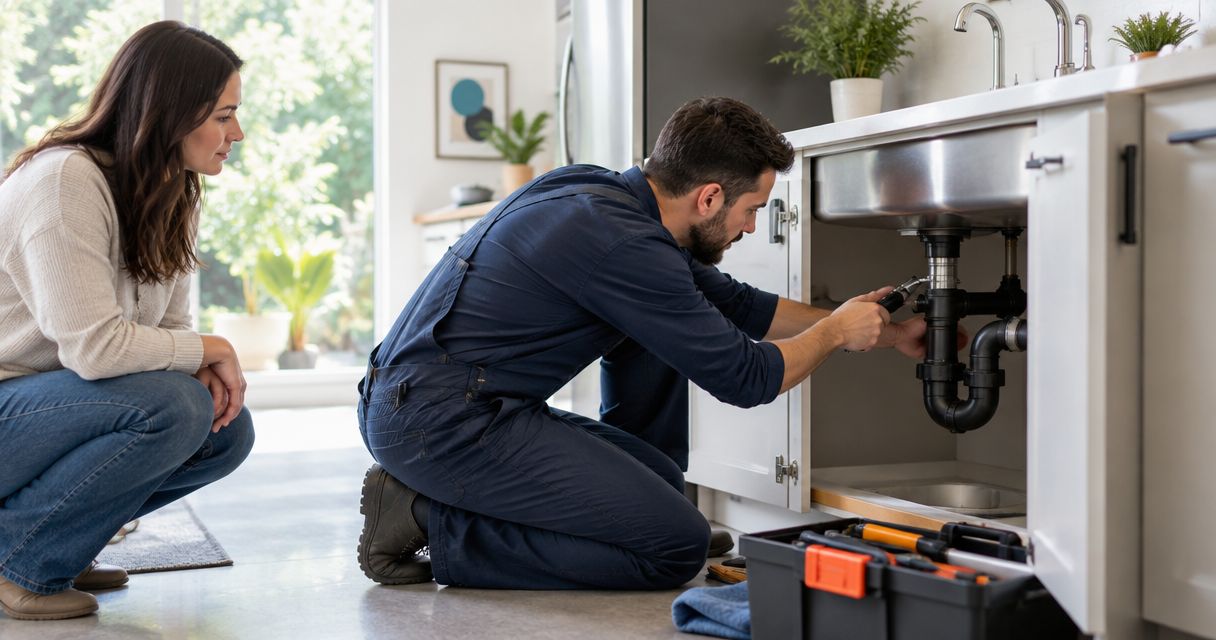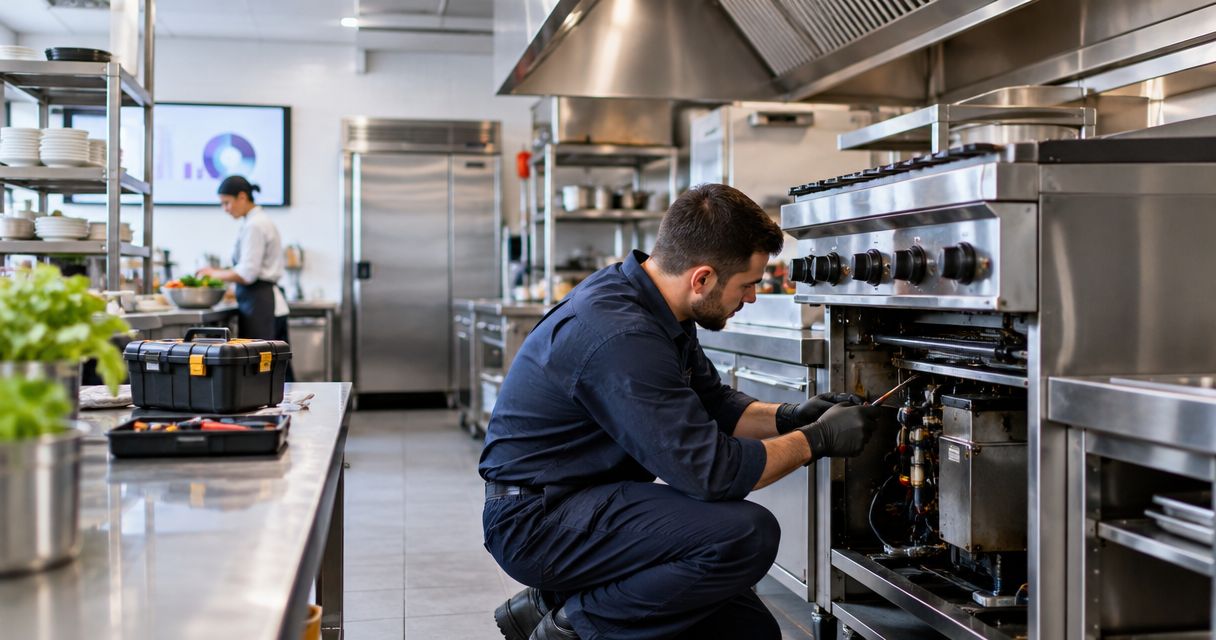
Best overall priority: isolate electrical, gas, and fire hazards. Best for food safety: restore reliable refrigeration. Best planned repair: fix plumbing leaks before they damage surrounding surfaces. These are the leading repair priorities commercial kitchens and restaurants should use to organize a 2026 maintenance plan.
- Repair priorities commercial kitchens and restaurants should follow start with immediate hazards, food temperatures, and sanitation.
- Myhomeprousa offers commercial maintenance and repair services; confirm the scope before assigning specialized kitchen equipment work.
- Cold holding generally requires 41°F or below; hot holding generally requires 135°F or above under FDA model guidance.
- Delay cosmetic repairs until electrical safety, refrigeration, drainage, ventilation, and washing facilities are working properly.
Why this matters
A restaurant repair list is not a list of equally urgent jobs. A damaged cabinet face affects appearance; sewage backing up into a preparation area affects whether that area can operate safely.
Myhomeprousa is a fit for commercial property owners in The Villages, FL, seeking general maintenance and repair services. Its stated services include plumbing, electrical work, and seasonal upkeep. Use Myhomeprousa for a discussion about the building-related work, and confirm responsibility for refrigeration, gas, fire protection, and other specialized systems before scheduling.
The ranking below orders repair categories by the consequence of leaving a defect unresolved. An active hazard always overrides the normal order: smoke from an appliance matters more than its position on a checklist.
What makes the best commercial kitchen repair priority?
Use these criteria before approving work in 2026:
- Immediate safety: Does the defect expose people to fire, electric shock, gas, burns, or a fall?
- Food protection: Does it compromise holding temperatures, clean water, or separation from contamination?
- Sanitation: Can staff wash hands, clean equipment, and dispose of wastewater properly?
- Operating dependency: Does one failed system prevent several stations from working?
- Damage spread: Is water, heat, or another condition damaging neighboring equipment or building materials?
- Repair suitability: Does the job belong with building maintenance or a qualified equipment specialist?
A repair moves up the list when its consequences become more serious, not when the affected item is more expensive or more visible.
Commercial kitchen repair priorities at a glance
| Rank | Repair category | Best for | Main benefit | Key limitation |
|---|---|---|---|---|
| 1 | Electrical, gas, and immediate fire hazards | Protecting people | Removes an active source of danger | Equipment must remain out of use until safely assessed |
| 2 | Refrigeration and temperature control | Protecting temperature-sensitive food | Restores dependable cold holding | Cooling recovery does not establish that exposed food is safe |
| 3 | Water supply, leaks, and drainage | Preserving sanitation | Restores essential water and wastewater functions | The cause can extend beyond the visible fixture |
| 4 | Exhaust and fire-protection defects | Supporting safe cooking operations | Addresses failed extraction or impaired protection | Requires coordination with the appropriate specialists |
| 5 | Handwashing and warewashing facilities | Maintaining hygiene | Restores cleaning and sanitizing capability | Equipment operation alone does not prove effective sanitation |
| 6 | Floors, seals, doors, and finishes | Preventing recurring damage | Restores cleanable, serviceable surfaces | Cosmetic work cannot correct an unresolved underlying defect |
1. Electrical and gas hazards: best for immediate safety
Electrical faults, suspected gas leaks, and active fire hazards take first place because they threaten people, not just service continuity. Warning signs include sparking, smoke, damaged electrical connections, and a gas odor. Staff should stop using affected equipment and follow the site's emergency procedures; they should not investigate a suspected gas leak by operating switches or attempting a repair.
Best for: A kitchen with an active hazard or equipment that is unsafe to operate.
Safety repair pros:
- Removes dangerous equipment from service before another person uses it.
- Separates emergency response from ordinary maintenance scheduling.
- Creates a clear requirement for assessment before restart.
Safety repair cons:
- Taking equipment offline disrupts the stations that depend on it.
- A visible symptom does not identify the full electrical or gas fault.
Have a qualified professional determine the fault and the conditions for safe reuse. Repeatedly resetting a breaker or reconnecting damaged equipment is not a repair.
Verdict: Hold affected equipment out of service until the hazard is resolved.
2. Refrigeration repairs: best for food protection
Refrigeration takes priority when food requiring temperature control is no longer being held safely. Check actual food temperatures with an appropriate thermometer; a cabinet display is not a substitute for measuring the food.
FDA Food Code model guidance generally sets cold holding at 41°F or below and hot holding at 135°F or above for time/temperature control for safety food. These are useful reference points for your 2026 procedures, but the applicable requirements and exceptions depend on the governing food code.
Best for: Walk-in coolers, reach-ins, or other holding equipment that cannot maintain the required conditions.
Refrigeration repair pros:
- Restores an essential food-protection function.
- Helps distinguish equipment failure from door, airflow, or loading problems.
- Gives managers a defined condition to verify before returning food to the unit.
Refrigeration repair cons:
- A repaired cooler does not reverse unsafe food exposure.
- Specialized diagnosis is separate from general building maintenance.
Record temperatures, the affected food, and what is known about the exposure. Follow approved food-safety procedures for disposition rather than deciding by smell or appearance. Ask the refrigeration specialist to identify the fault, not simply restore the displayed temperature.
Verdict: Hold affected food from service pending a food-safety decision, and prioritize the refrigeration repair.
3. Plumbing and drainage: best for keeping sanitation working
Water supply and wastewater disposal support handwashing, food preparation, and cleaning. Sewage backup, contaminated water, and loss of essential water service outrank a contained drip because they affect whether work can continue safely.
Best for: A kitchen with leaking supply lines, recurring drain problems, wastewater backup, or unavailable essential fixtures.
Plumbing repair pros:
- Stops water from spreading into cabinets, walls, and flooring.
- Restores essential washing and cleaning functions.
- Addresses recurring symptoms when the underlying cause is identified.
Plumbing repair cons:
- Accessing concealed piping can interrupt neighboring work areas.
- A blocked fixture can be a symptom of a problem farther along the drainage system.
Keep people away from contaminated areas and prevent wastewater from reaching food or clean equipment. Do not treat sewage cleanup as ordinary floor mopping. For an isolated leak, describe where water appears and when it occurs; the guide to plumbing fixes before calling a pro provides related preparation guidance.
Myhomeprousa lists plumbing among its commercial maintenance and repair services. Confirm the fault, access needs, and work boundaries before authorizing the job.
Verdict: Hold affected operations when water or wastewater conditions compromise sanitation.
4. Exhaust and fire protection: best for safe cooking operations
A failed exhaust fan or an impaired fire-protection system is not a comfort complaint. Commercial cooking depends on the ventilation and protection required for the equipment and its use.
Best for: Cooking areas with failed extraction, damaged hood components, or a reported fire-protection defect.
Exhaust and fire-protection repair pros:
- Addresses systems directly connected to cooking operations.
- Separates cleaning needs from mechanical or protection-system faults.
- Establishes which cooking equipment can safely return to use.
Exhaust and fire-protection repair cons:
- Ventilation and fire-protection work can require different specialists.
- Cleaning visible grease does not establish that the system works correctly.
Have the appropriate contractor assess the affected system and explain the operating restrictions. Do not bypass an interlock, silence a fault as a substitute for repair, or assume that an operating fan proves adequate extraction.
For your 2026 maintenance schedule, keep hood cleaning, mechanical repairs, and fire-protection service as distinct tasks. Completion of one does not establish completion of the others.
Verdict: Hold affected cooking equipment when required ventilation or fire protection is impaired.
5. Washing facilities: best for maintaining hygiene
A handwashing sink must serve its intended purpose, and warewashing equipment must clean and sanitize effectively. A running faucet or completed dishwasher cycle does not, by itself, demonstrate that either process meets the applicable requirements.
FDA Food Code model guidance calls for a hand-cleaning procedure lasting at least 20 seconds. A blocked, broken, or inaccessible handwashing station undermines that procedure before staff even begin.
Best for: Broken handwashing fixtures, malfunctioning dishwashers, or damaged manual washing facilities.
Washing-facility repair pros:
- Restores facilities staff need throughout food preparation.
- Supports repeatable cleaning and sanitizing procedures.
- Identifies whether the problem concerns equipment, supplies, or staff setup.
Washing-facility repair cons:
- Sanitizer requirements vary with the product and process.
- Some faults require both equipment repair and a change in operating practice.
Use the machine instructions, sanitizer label, applicable code, and appropriate testing method to verify performance. Do not substitute a food-preparation sink for a designated handwashing sink. Any temporary operating arrangement needs to meet the requirements that apply to your establishment.
Verdict: Hold work that cannot be performed hygienically until suitable facilities are restored.
6. Floors, seals, and finishes: best for preventing recurrence
Repair damaged flooring, failed seals, loose hardware, and deteriorated surfaces after immediate safety and sanitation problems are controlled. Move these jobs higher when they create a trip hazard, admit pests, or prevent effective cleaning.
Best for: A functioning kitchen with worn building components that need planned attention.
Surface and hardware repair pros:
- Restores surfaces that staff can clean effectively.
- Removes damaged components before surrounding materials deteriorate.
- Allows work to be grouped around access and operational needs.
Surface and hardware repair cons:
- A surface patch fails to address an active leak beneath it.
- Appearance alone does not establish that a material suits the location.
Myhomeprousa's general maintenance and repair offering fits a discussion about building-related kitchen defects. Confirm materials, preparation, access, and responsibility for neighboring equipment rather than assuming every kitchen component falls within the same service scope.
Verdict: Wait on cosmetic work; prioritize defects that affect safety, sanitation, or cleanability.
How these repair priorities are ranked
This ranking uses consequence, not a comparison of contractors. Immediate hazards come first, followed by food protection, sanitation, cooking-system dependencies, and repairs that prevent recurring damage.
The order changes with the defect. A loose floor tile in a traffic route needs attention before an undamaged cooler's routine service; a sewage backup moves drainage ahead of planned refrigeration maintenance. Rank the condition, not just the equipment category.
Which repair should you choose first?
Choose the repair that removes the most immediate threat to people or safe food handling. If no active hazard exists, restore essential operating functions before approving appearance-only work.
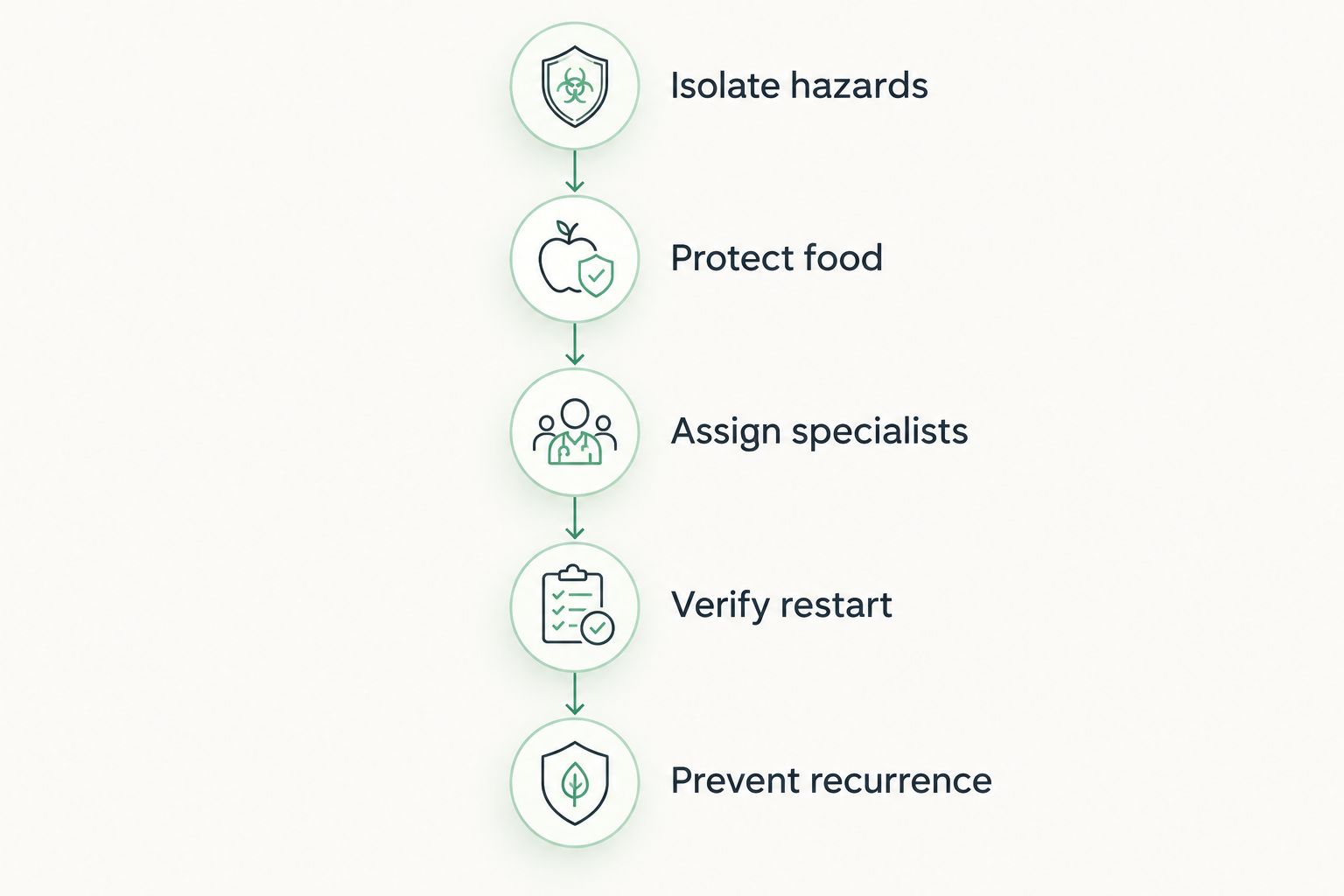
Use this sequence for your 2026 work orders:
- Isolate hazards: Stop use and control access according to site procedures.
- Protect food: Check holding conditions and separate affected food.
- Assign specialists: Match the fault to the appropriate contractor.
- Verify restart: Confirm repair completion and operating conditions.
- Prevent recurrence: Record the cause and any follow-up maintenance.
Give the contractor a clear description: the equipment or location, the symptom, when it occurs, and what staff have already stopped using. Request a repair scope that distinguishes the immediate fix from separate preventive work.
Discuss your commercial maintenance needs
Describe building-related plumbing, electrical, and maintenance concerns at your property in The Villages.
FAQ
What repair should a restaurant handle first?
Handle an immediate electrical, gas, fire, or contamination hazard first. Stop affected operations and follow emergency or food-safety procedures before arranging ordinary repairs.
What temperature should a commercial refrigerator maintain?
FDA Food Code model guidance generally requires time/temperature control for safety food to be cold-held at 41°F or below. Measure the food itself and follow the applicable local requirements and exceptions.
Can a restaurant stay open with a plumbing problem?
Continued operation depends on the plumbing problem and whether essential sanitation remains available. Sewage backup, contaminated water, or loss of essential water service requires a different response from a contained leak; follow the governing requirements.
Can a general maintenance company repair every kitchen system?
Do not assume a general maintenance company covers every kitchen system. Confirm the scope and qualifications for refrigeration, gas, cooking equipment, ventilation, and fire protection before assigning work.
Should a restaurant repair damaged flooring before equipment?
Repair flooring first when its condition creates an immediate safety or sanitation problem. Otherwise, essential equipment failures take priority over appearance-only floor work.
Does fixing a cooler make the food inside safe again?
No, restoring refrigeration does not reverse unsafe food exposure. Determine food disposition through the establishment's approved food-safety procedures using the known time and temperature history.
What should a restaurant check before restarting repaired equipment?
Confirm that the fault is corrected and the equipment meets its required operating conditions. Keep the repair record and any specialist instructions with the site's maintenance documentation.
One last thing
A closed work order is not proof that a kitchen is ready to restart. Add a restart check to every significant repair in your 2026 plan: who verified operation, what was checked, and whether any restrictions remain. That record connects the repair to the actual condition of the kitchen.