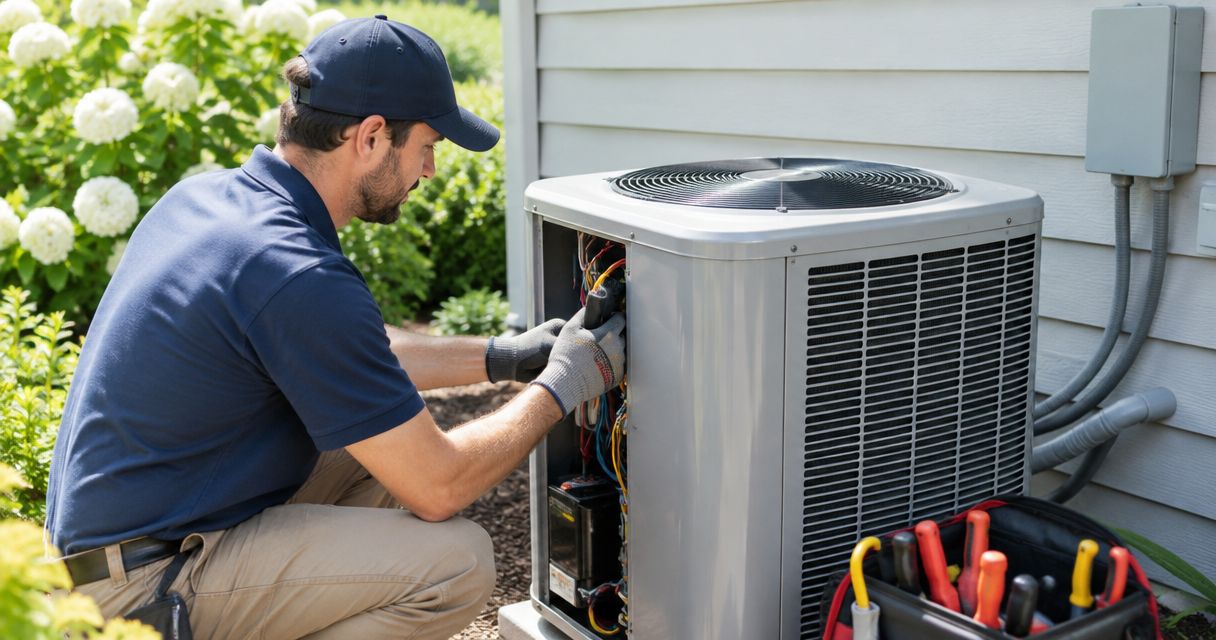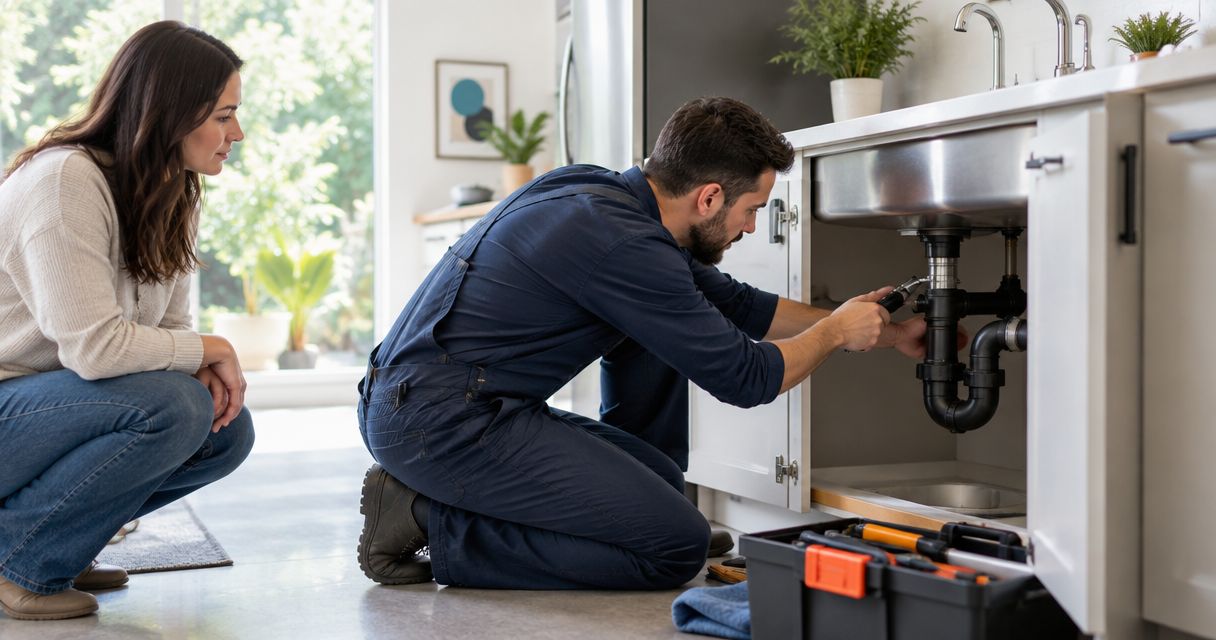
Best overall: a safety-first move-in checklist. Best for preventing water damage: a plumbing checklist. Best for seasonal residents: an away-home checklist. For first-time homeowners in The Villages, this 2026 guide ranks five practical approaches and explains which tasks belong with a maintenance provider or qualified trade professional.
- Best handyman checklist first-time homeowners Villages: start with safety, then organize plumbing, electrical, exterior, and departure tasks.
- Myhomeprousa offers home maintenance and repair services for property owners in The Villages, including plumbing, electrical, and seasonal upkeep.
- Use separate checklists for move-in repairs and away-home preparation; they solve different problems.
- Keep electrical hazards, active leaks, and unstable fixtures ahead of cosmetic improvements.
Why this matters
A move-in punch list mixes small annoyances with problems that need prompt attention. A sticking drawer and water beneath a sink do not belong at the same priority level. Sort by safety and damage risk before sorting by room.
Myhomeprousa is a home-maintenance option for The Villages homeowners who need plumbing, electrical, and seasonal upkeep services. Match the work to the provider’s confirmed scope rather than assuming every repair belongs in one appointment.
Keep your inspection report beside your checklist. An unresolved inspection finding deserves its own entry, even when the home looks ready to occupy.
What makes the best handyman checklist?
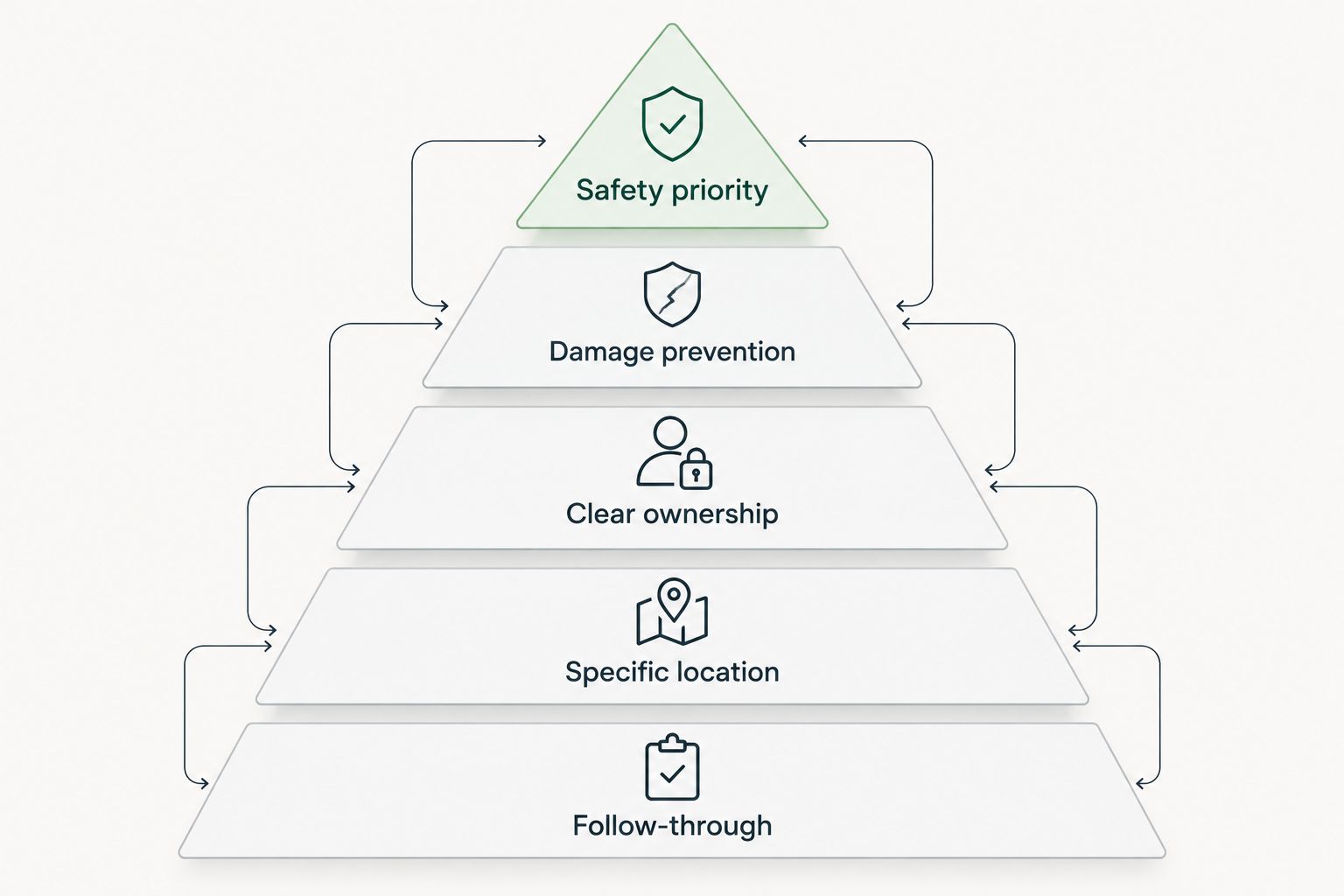
The best checklist turns observations into decisions. Use these criteria when building your 2026 maintenance plan:
- Safety priority: Put electrical warning signs, loose fixtures, and fall hazards before appearance.
- Damage prevention: Identify leaks, drainage problems, and visible moisture before scheduling finishes.
- Clear ownership: Label each task as homeowner observation, maintenance work, or qualified trade assessment.
- Specific location: Record the room, fixture, symptom, and supporting photograph.
- Follow-through: Give every unresolved item a next action and a completion record.
A checklist that says “check plumbing” is too vague. “Kitchen sink cabinet: damp rear corner; photograph and arrange assessment” gives you something actionable without pretending to diagnose the cause.
The best homeowner checklists at a glance
| Rank and checklist | Best for | Standout feature | Key limitation |
|---|---|---|---|
| 1. Safety-first move-in checklist | New owners establishing a baseline | Separates urgent concerns from routine repairs | Does not replace a professional inspection |
| 2. Plumbing and moisture checklist | Finding visible water problems | Connects fixture checks with surrounding surfaces | Cannot reveal concealed leaks by itself |
| 3. Electrical condition checklist | Recognizing electrical warning signs | Keeps observation separate from electrical repair | Cannot establish wiring condition from appearance |
| 4. Exterior and seasonal checklist | Organizing outdoor upkeep | Groups access, drainage, and weather-related tasks | Ground-level checks miss inaccessible areas |
| 5. Away-home checklist | Owners leaving the property unoccupied | Adds monitoring and response arrangements | Requires property-specific instructions |
Use the safety-first checklist as your starting point, then add the specialist lists that fit your property. This is an order for organizing attention, not a reason to postpone an active leak or electrical hazard.
1. Safety-first move-in checklist: best for establishing a baseline
Best for: first-time owners deciding what needs attention before routine improvements.
A safety-first checklist records the condition you inherit and separates urgent concerns from ordinary maintenance. Myhomeprousa offers maintenance and repair services; use a clearly written task list to discuss the work you need.
Walk through accessible rooms without opening equipment, removing covers, or climbing to investigate. Stop using an affected fixture or appliance when you notice a safety concern, and arrange appropriate assessment.
What to include
- Locate the main water shutoff and identify the electrical panel without removing its cover.
- Check accessible walking routes for loose rugs, unstable thresholds, and obstructions.
- Record loose handrails, damaged steps, and fixtures that move when used normally.
- Test smoke alarms according to their instructions.
- Transfer unresolved inspection findings into the repair list.
For your 2026 safety schedule, follow U.S. Fire Administration guidance to test smoke alarms at least once every month. Replace smoke alarms at 10 years, following the manufacturer’s instructions; an unfamiliar alarm’s age belongs on the checklist.
Safety-first checklist pros:
- Creates a baseline before furniture hides access points.
- Separates hazards from cosmetic preferences.
- Gives contractors specific locations and symptoms.
Safety-first checklist cons:
- A walkthrough does not establish structural or system condition.
- Hidden defects require more than a visual checklist.
Verdict: Hold cosmetic projects until unresolved safety findings have a clear next action.
2. Plumbing and moisture checklist: best for visible leak prevention
Best for: homeowners who want a repeatable way to notice water problems.
A plumbing checklist pairs fixtures with the surfaces around them. A faucet deserves attention, but so do the cabinet floor, adjacent wall, and flooring beneath it. Record what you see without assuming a stain proves a current leak.
Start with accessible locations. Do not force a stuck valve or dismantle a connection to complete the checklist.
What to include
- Look beneath sinks for moisture, staining, corrosion, or deteriorated cabinet material.
- Observe visible supply connections while fixtures operate normally.
- Note toilets that continue running, move during normal use, or show moisture around the base.
- Record slow drains and recurring odors for assessment.
- Check accessible areas around the water heater for visible leakage.
Distinguish an active drip from an old, dry mark. Photograph both, but describe the condition accurately. If water is reaching electrical equipment, keep away from the affected area and seek qualified help.
Plumbing checklist pros:
- Directs attention to damage around fixtures, not just the fixtures themselves.
- Produces useful photographs and descriptions for a service request.
- Helps you track whether a previously observed area changes.
Plumbing checklist cons:
- Concealed pipework remains outside a visual check.
- Moisture can have more than one source.
Verdict: Buy professional assessment for active or recurring leaks; hold finish repairs until the source is addressed.
3. Electrical condition checklist: best for recognizing warning signs
Best for: homeowners deciding when an electrical concern needs professional attention.
An electrical condition checklist is an observation tool, not permission to repair wiring. Keep covers in place and avoid touching damaged components. A normal-looking outlet does not prove that the circuit behind it is sound.
The guide to signs you need an electrician in The Villages provides a focused companion to your room-by-room list.
What to include
- Record cracked faceplates, exposed wiring, and visibly damaged cords.
- Note recurring breaker trips rather than repeatedly resetting the breaker.
- List outlets or switches associated with buzzing, discoloration, or a burning smell.
- Keep access to the electrical panel unobstructed.
- Follow manufacturer instructions for accessible GFCI test and reset functions.
Treat smoke, sparking, or a burning smell as a safety issue rather than a routine handyman task. Keep clear and use emergency assistance when there is an immediate danger.
Electrical checklist pros:
- Gives an electrician specific symptoms to investigate.
- Discourages repeated use of visibly damaged equipment.
- Separates routine observation from work requiring electrical expertise.
Electrical checklist cons:
- Appearance cannot establish grounding or wiring condition.
- A checklist cannot determine permit or licensing requirements for a repair.
Verdict: Buy qualified electrical help for warning signs; skip do-it-yourself investigation behind covers.
4. Exterior and seasonal checklist: best for organizing outdoor upkeep
Best for: homeowners turning scattered outdoor jobs into a practical work list.
An exterior checklist covers what you can safely observe from the ground. Focus on entry routes, visible drainage conditions, doors, screens, and loose outdoor items. Keep roof access and elevated repairs separate from a homeowner walkthrough.
For 2026 planning, the National Hurricane Center identifies Atlantic hurricane season as June 1 through November 30. Use the hurricane-season preparation guide for Florida homeowners to build a separate weather-readiness list rather than treating storm preparation as ordinary yard work.
What to include
- Record damaged steps, loose railings, and uneven walking surfaces.
- Look for visible debris blocking drainage paths.
- Note damaged screens, door hardware, and weatherstripping.
- Identify movable outdoor objects that need a storage plan.
- Record visible roofline or gutter concerns from a safe ground-level position.
Before changing exterior features, check any applicable community rules and approval requirements. A maintenance list identifies the work; it does not establish permission to alter the property.
Exterior checklist pros:
- Combines related outdoor observations into one service discussion.
- Keeps access and drainage ahead of decorative work.
- Creates a separate category for elevated or specialist tasks.
Exterior checklist cons:
- Ground-level observation misses concealed and elevated defects.
- Weather preparation also requires emergency planning beyond maintenance.
Verdict: Hold decorative outdoor projects until access hazards and drainage concerns have been assessed.
5. Away-home checklist: best for seasonal residents
Best for: owners leaving their Villages property unoccupied.
An away-home checklist adds responsibility and response arrangements to ordinary maintenance. The key question is not just whether a system works before departure, but who will act if something changes while you are away.
Build your 2026 departure plan around the home’s equipment instructions, insurance requirements, and confirmed arrangements. Do not copy another property’s thermostat, water shutoff, or equipment settings without checking whether they apply.
What to include
- Resolve active leaks and electrical warning signs before leaving.
- Confirm property-specific instructions for water, cooling, and other equipment.
- Assign a trusted contact and confirm authorized access.
- Explain how that contact should report moisture, odors, or equipment problems.
- Keep service contacts and relevant equipment information accessible.
Myhomeprousa provides seasonal upkeep services. Confirm the exact work you need before assuming a maintenance appointment includes property visits, monitoring, or an emergency response arrangement.
Away-home checklist pros:
- Assigns responsibility instead of leaving it implied.
- Connects maintenance with access and communication.
- Makes the return-home check easier to organize.
Away-home checklist cons:
- Equipment and insurer instructions differ between properties.
- A written checklist cannot replace an agreed inspection or response arrangement.
Verdict: Hold departure until unresolved hazards and responsibility for the property are addressed.
How these checklists are ranked
The safety-first checklist ranks first because it establishes priorities across the property. Plumbing and electrical lists then add detail to systems where a vague symptom needs a specific next step. Exterior upkeep and away-home preparation serve narrower situations.
These are ranked task frameworks, not ratings of local contractors. No checklist certifies that a home is safe or replaces a qualified inspection.
Which checklist should you choose?
Choose the safety-first move-in checklist as your default. Add plumbing and electrical observations during the same walkthrough, then build exterior and departure lists around your plans.
For your first service conversation, send a room-by-room list with photographs and distinguish active problems from improvement requests. Ask who will handle each task, whether specialist work is involved, and how completion will be documented.
Plan your home maintenance
Discuss plumbing, electrical, seasonal upkeep, and repair needs for your Villages property.
FAQ
What's the best handyman checklist for a first-time homeowner in The Villages?
A safety-first move-in checklist is the best starting point. Record hazards, visible leaks, electrical warning signs, and unresolved inspection findings before organizing cosmetic repairs.
Can a handyman handle everything on my move-in checklist?
No single service category covers every possible repair. Confirm the provider’s scope and qualifications, and use appropriately qualified trade professionals where the work requires them.
What should I check before moving furniture into my new home?
Locate essential shutoffs, keep panel access clear, and record visible leaks, damaged fixtures, and walking hazards. Address unresolved inspection findings while the affected areas remain accessible.
How often should I test smoke alarms?
Test smoke alarms at least once every month, following U.S. Fire Administration guidance and the alarm manufacturer’s instructions. Record the alarm’s age and replace smoke alarms at 10 years.
Should I repair a water stain before calling a plumber?
Identify and address the moisture source before covering a stain. Record whether the area is wet, dry, or changing so the service provider has a useful description.
What maintenance should I finish before leaving my Villages home vacant?
Address active leaks and electrical warning signs, then confirm equipment instructions, access, and responsibility for checking the property. Your arrangements should reflect the home’s systems and any insurer requirements.
Does a completed handyman checklist replace a home inspection?
No, a handyman checklist does not replace a home inspection. It organizes observations and repairs but does not establish the condition of concealed systems or certify safety.
One last thing
Add a recheck field to every completed repair. Ask what normal operation should look like and what symptom means you should call again. A closed work order records that someone finished a task; your follow-up record helps you recognize whether the original problem has returned.