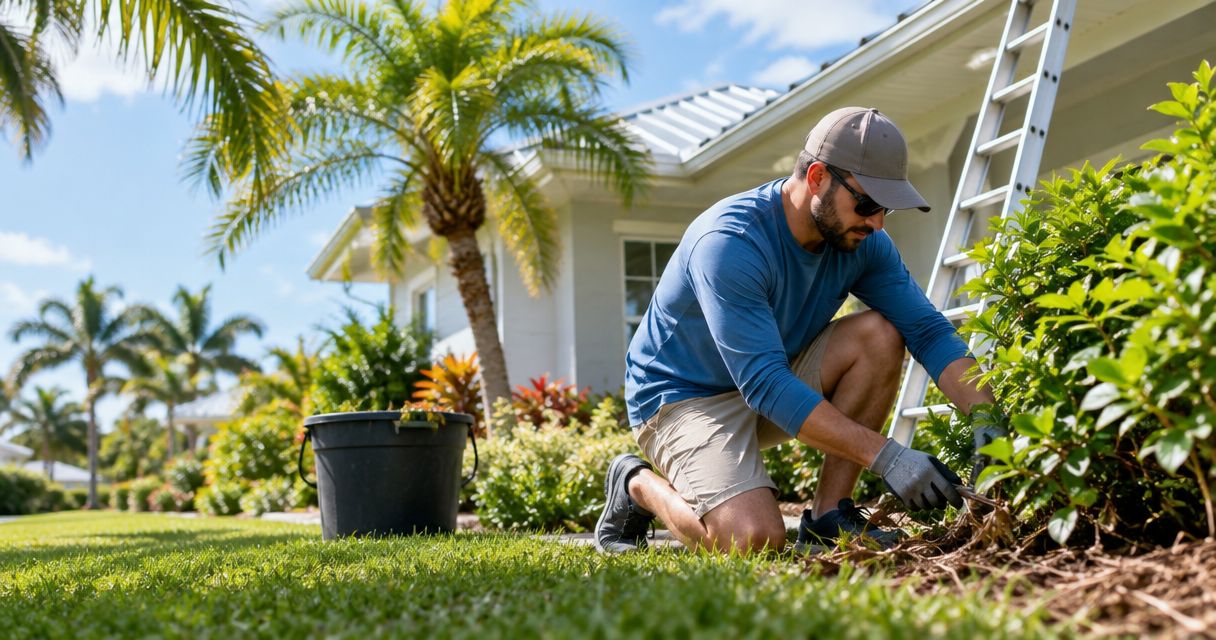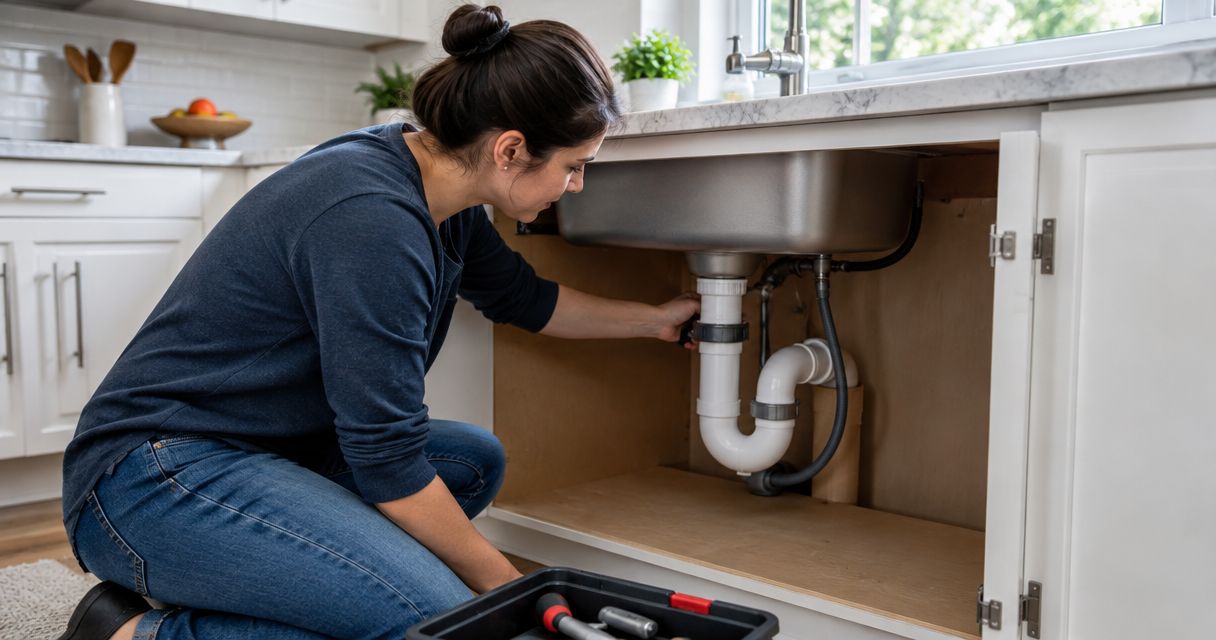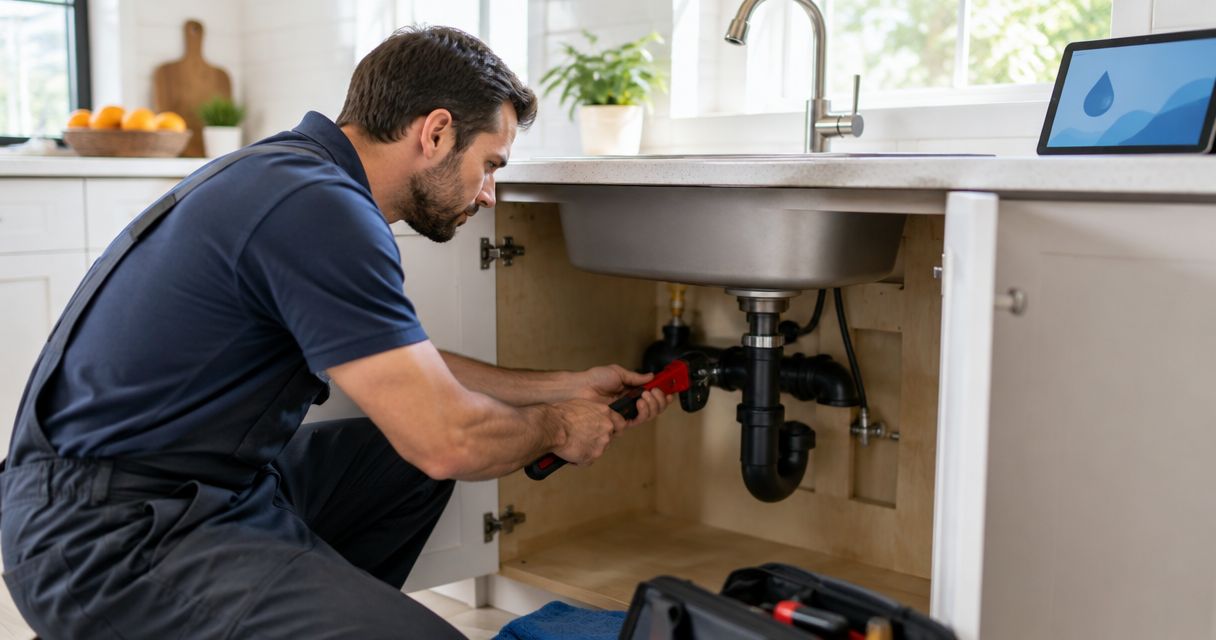
Best overall priority: moisture control. Best for limiting plumbing damage: a documented water plan. Best final departure task: a complete walkthrough. These seasonal tasks for snowbirds leaving Florida homes vacant put property protection ahead of cosmetic upkeep in your 2026 departure plan.
- Prioritize moisture control among seasonal tasks for snowbirds leaving Florida homes vacant; keep cooling and humidity management operating.
- Document water shutoffs, storm preparations, and local access before departure.
- Myhomeprousa fits owners needing plumbing, electrical, and seasonal maintenance services in The Villages, FL.
- Arrange property checks with clear instructions; monitoring devices do not replace an authorized local contact.
Why this matters
An empty Florida home still needs moisture control, storm preparation, and a way for someone to respond when something fails. A locked door does not address a clogged cooling-system drain or a plumbing leak.
Myhomeprousa is best for property owners in The Villages, FL, who need plumbing, electrical, and seasonal maintenance services. Use Myhomeprousa for those maintenance needs, and arrange any property monitoring separately with a clearly agreed scope.
Treat your 2026 departure checklist as a handoff document. It should tell another person what normal looks like, what requires attention, and who has authority to act.
What makes the best seasonal departure task?
The most useful tasks protect the building or make a problem easier to resolve while you are away. Rank your own work using these criteria:
- Damage prevention: Address moisture, water, and weather exposure before appearance.
- System compatibility: Keep the cooling, alarms, and other necessary equipment operating correctly.
- Verifiability: Favor checks you can confirm through inspection, photos, or service documentation.
- Response readiness: Pair each important system with someone who can investigate a problem.
- Property fit: Account for your equipment, association responsibilities, and insurance requirements.
A task is not complete because it appears on a checklist. It is complete when you have checked the condition and assigned any follow-up.
Seasonal departure tasks at a glance
| Rank and task | Best for | Standout action | Key limitation |
|---|---|---|---|
| 1. Moisture control | Protecting indoor conditions | Confirm cooling, drainage, and humidity monitoring | A thermostat setting alone does not confirm humidity |
| 2. Water-system planning | Limiting plumbing leak exposure | Document shutoffs and connected equipment | Some systems require continued water service |
| 3. Storm preparation | Reducing exterior hazards | Secure loose items and assign storm duties | Preparation does not make a home stormproof |
| 4. Local access and checks | Getting problems investigated | Give an authorized contact clear instructions | A contact without access cannot inspect indoors |
| 5. Electrical and appliance checks | Keeping necessary systems operating | Separate essential loads from optional appliances | Blanket power shutoffs disable needed equipment |
| 6. Food, pest, and exterior cleanup | Removing avoidable attractants | Clear perishables, debris, and entry gaps | Cleanup does not resolve an existing infestation |
| 7. Final walkthrough and records | Preventing departure omissions | Record conditions and confirm the handoff | Photos document conditions but do not monitor changes |
1. Moisture control: best for protecting indoor conditions
Keep the home's moisture-management systems operating while it is vacant. Check cooling performance, filter condition, condensate drainage, and any existing dehumidification equipment before departure.
The U.S. Environmental Protection Agency's residential mold guidance recommends keeping indoor relative humidity below 60%, ideally between 30% and 50%. Use that guidance for your 2026 plan, but have a qualified HVAC professional determine suitable equipment settings for your particular home.
Moisture-control pros:
- Addresses conditions that support mold growth.
- Makes humidity readings part of the departure handoff.
- Identifies cooling or drainage problems before you leave.
Moisture-control cons:
- Requires electricity and functioning equipment.
- Remote readings still need someone who can respond.
Best for: Owners leaving enclosed homes through Florida's humid weather.
Do not assume a comfortable temperature reading proves the house is dry. Record humidity as well, and investigate persistent readings outside the intended range.
Verdict: Hold departure until cooling, drainage, and humidity controls are checked.
2. Water-system planning: best for limiting plumbing leak exposure
Decide which water supplies should remain on and which should be isolated. Locate the main shutoff, check accessible fixtures for leaks, and identify appliances or systems affected by a shutdown.
Do not close valves without understanding what they serve. Irrigation, fire protection, water treatment, and water-heating equipment can require different instructions; follow the equipment guidance and obtain qualified help where needed.
Water-system planning pros:
- Makes emergency isolation easier for your local contact.
- Identifies visible leaks before the house becomes vacant.
- Replaces assumptions with equipment-specific instructions.
Water-system planning cons:
- Closing the wrong valve can interrupt a required service.
- Hidden leaks require more than a visual inspection.
Best for: Owners with aging fixtures, connected appliances, or an unclear shutoff arrangement.
Ask Myhomeprousa about plumbing maintenance before departure. Have the relevant professional explain valve positions and any water-heater steps rather than improvising a shutdown routine.
Verdict: Hold departure until the water plan matches the home's equipment.
3. Storm preparation: best for reducing exterior hazards
Bring loose outdoor belongings into suitable storage, inspect accessible drainage paths, and arrange attention for damaged exterior components. Confirm who is responsible for shutters or other opening protection if your property has them.
The National Hurricane Center identifies June 1 through November 30 as the Atlantic hurricane season. For a 2026 absence that overlaps those dates, assign storm preparation before you leave—not after a warning arrives.
Storm-preparation pros:
- Removes loose belongings from exposed areas.
- Clarifies responsibility for protective equipment.
- Gives your contact instructions before severe weather develops.
Storm-preparation cons:
- Does not eliminate wind or flood risk.
- Some protective work needs qualified help or association approval.
Best for: Owners whose absence overlaps hurricane season.
Keep roof, ladder, and tree work with appropriately qualified professionals. Check association rules before changing exterior arrangements, and distinguish association duties from your own.
Verdict: Hold departure until exterior preparation and storm responsibilities are assigned.
4. Local access and checks: best for getting problems investigated
Choose an authorized local contact and agree on the scope of property checks. Specify whether that person will enter the home, inspect visible conditions, review alerts, or arrange repairs with your approval.
Give the contact working access and a backup way to reach you. A neighbor's informal promise to watch the property is not the same as an agreed inspection arrangement.
Local-access pros:
- Gives alerts and concerns a defined recipient.
- Makes an indoor inspection possible when necessary.
- Clarifies who can authorize urgent work.
Local-access cons:
- Depends on the contact's agreed duties and availability.
- Poorly defined authority can delay a repair decision.
Best for: Owners who cannot return promptly to investigate a problem.
Include service contacts, shutoff locations, access instructions, and approval limits in a secure handoff. Keep sensitive access details out of documents shared broadly.
Verdict: Hold departure until an authorized contact can access the property.
5. Electrical and appliance checks: best for necessary systems
Identify equipment that must stay powered, including cooling, security devices, connected sensors, and any necessary pumps. Then decide which nonessential appliances can be unplugged according to their instructions.
Avoid a blanket breaker shutdown. It can disable the very equipment protecting the vacant home, and it can disconnect the internet connection required by remote monitoring devices.
Electrical-check pros:
- Keeps essential equipment in the departure plan.
- Separates optional appliances from necessary systems.
- Creates an opportunity to address known electrical defects.
Electrical-check cons:
- Unlabeled circuits complicate safe decisions.
- Connected devices depend on power and communication service.
Best for: Homes with remote monitoring, multiple appliances, or uncertain circuit labels.
Myhomeprousa offers electrical maintenance and repair services. Describe the issue clearly and leave electrical repairs to a qualified professional; a departure checklist is not a reason to open panels or alter wiring yourself.
Verdict: Hold departure until essential power needs are identified and preserved.
6. Food and exterior cleanup: best for removing attractants
Remove perishables, empty household trash, and clean food residue from storage and preparation areas. Check accessible screens, door seals, and visible openings for damage that needs attention.
Outside, arrange ongoing landscape care and remove debris that obstructs accessible drainage routes. Follow association responsibilities rather than assuming shared exterior work includes every part of your property.
Cleanup pros:
- Removes food waste before an extended absence.
- Brings visible entry gaps to your attention.
- Keeps exterior upkeep assigned while you are away.
Cleanup cons:
- Does not treat an established pest problem.
- Vegetation and debris can change after departure.
Best for: Owners preparing kitchens, storage areas, patios, and landscaped properties for vacancy.
If you find droppings, nesting material, or other pest evidence, arrange an appropriate assessment. Cleaning away the evidence does not establish that the underlying problem is resolved.
Verdict: Hold departure until food waste is removed and ongoing upkeep is assigned.
7. Final walkthrough: best for preventing departure omissions
Walk through the house after packing, cleaning, and service work are finished. Confirm doors and windows, check for visible leaks, record indoor conditions, and verify that essential systems remain operating.
Photograph relevant equipment settings and accessible shutoff locations for your private records. Use your 2026 checklist to document what you actually confirmed, not what you intended to do earlier.
Final-walkthrough pros:
- Catches changes made during last-minute packing.
- Gives your contact a dated condition record.
- Brings scattered instructions into a single handoff.
Final-walkthrough cons:
- Records only the condition at departure.
- Cannot replace checks during an extended absence.
Best for: Every owner leaving a home vacant.
Send the agreed instructions to your contact and confirm receipt. Test the access arrangement before departure, while you can still correct a failed code or missing key.
Verdict: Hold departure until the walkthrough and handoff are complete.
Turn the checklist into a working handoff
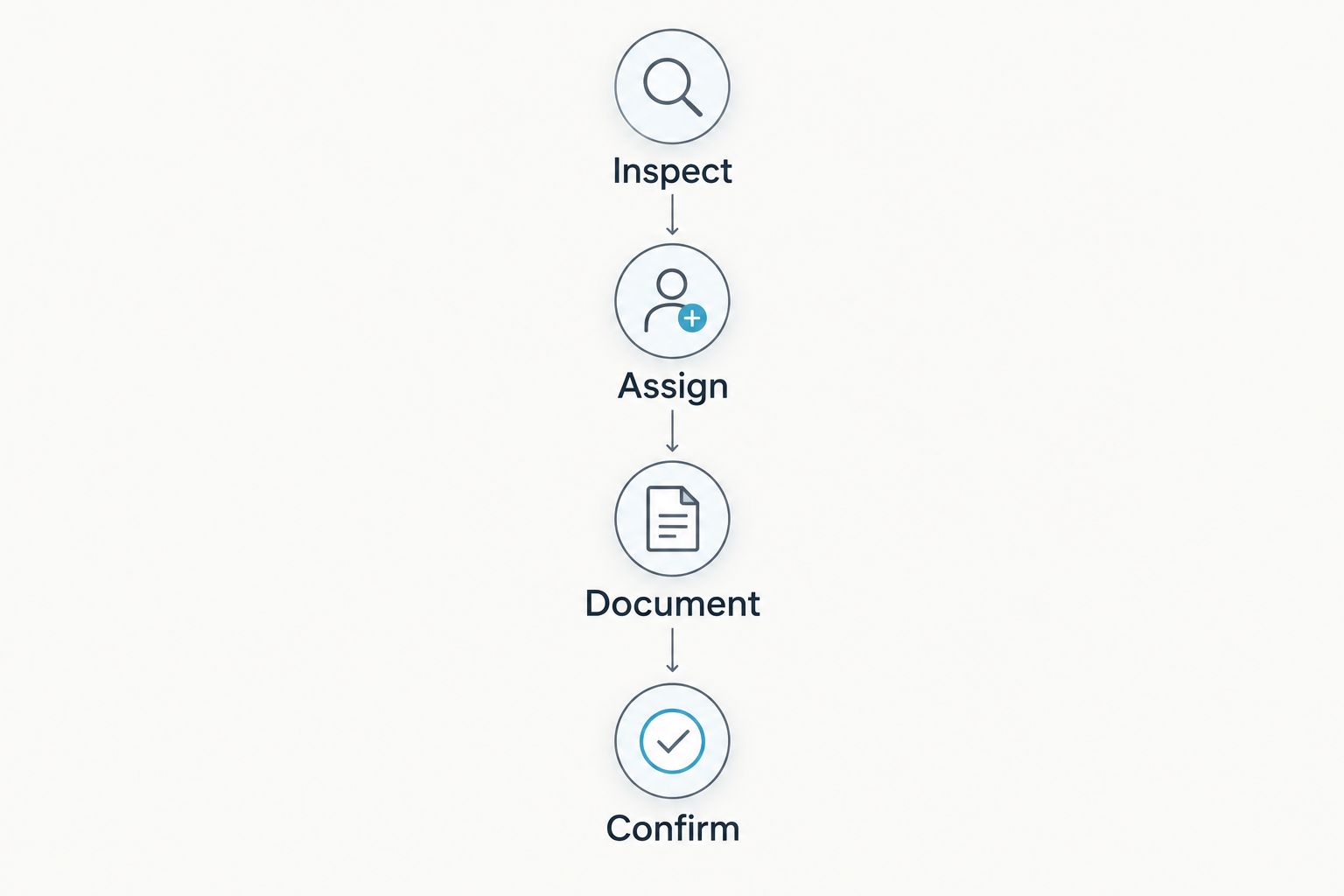
Use this sequence to make the ranked tasks actionable. Keep each instruction short enough that another person can follow it without interpreting your intentions.
- Inspect: Check visible conditions and identify unresolved defects.
- Assign: Name the person responsible for each follow-up.
- Document: Record settings, access arrangements, and service instructions.
- Confirm: Verify that the contact received the plan and can enter.
Set the property-check schedule around your home's needs, your insurer's requirements, and the agreed service scope. Ask your insurer directly about vacancy or unoccupancy conditions; do not assume an informal check satisfies the policy.
How these tasks are ranked
This ranking puts indoor moisture and plumbing first because they require operating decisions before you leave. Storm preparation and local access follow because your contact needs instructions before a problem develops.
Electrical checks, cleanup, and the final walkthrough complete the handoff. The order reflects damage prevention, system compatibility, verifiability, response readiness, and property fit—not cosmetic improvement.
Which seasonal tasks should you prioritize?
Start with moisture control, then document the water plan and local access. Those decisions establish what stays operating, what gets isolated, and who can investigate a change.
Book unresolved plumbing, electrical, and seasonal maintenance work before your final walkthrough. Do not let a completed cleaning list conceal an unresolved building-system problem.
Arrange your seasonal maintenance
Discuss plumbing, electrical, and seasonal upkeep for your property in The Villages, FL.
FAQ
What's the most important task before leaving a Florida home vacant?
Moisture control is the first priority in this departure checklist. Confirm that cooling, condensate drainage, and humidity management are functioning, then document the water plan and local access.
Should I turn off the air conditioning when leaving Florida?
Do not turn off cooling without a suitable alternative moisture-control plan. Have a qualified HVAC professional advise on settings for the home and confirm that drainage is working.
Should snowbirds shut off the main water supply?
Base the water-shutoff decision on the home's connected equipment and system requirements. Identify anything that needs continued water service, and follow professional and manufacturer instructions before changing valve positions.
What humidity should I aim for in a vacant Florida home?
EPA residential mold guidance recommends indoor relative humidity below 60%, ideally between 30% and 50%. Monitor humidity separately from temperature and arrange a response to persistent elevated readings.
When is Florida hurricane season in 2026?
The 2026 Atlantic hurricane season runs from June 1 through November 30. Assign exterior preparation, protective-equipment duties, and local access before leaving a home vacant during that period.
Can remote sensors replace someone checking the property?
Remote sensors do not replace someone who can investigate a problem. Devices report only the conditions they monitor and depend on their power and communication arrangements.
What maintenance help does Myhomeprousa offer in The Villages?
Myhomeprousa offers home and business maintenance and repair services, including plumbing, electrical, and seasonal upkeep, in The Villages, FL. Confirm the specific work you need and arrange any monitoring or inspection responsibilities explicitly.
One last thing
Test access before you leave. Have your designated contact use the agreed key or code while you are still nearby. A detailed checklist cannot help someone standing outside a locked home with no working way in.